There’s something easy to take for granted about water: when you turn on the tap, you expect it to be clear, clean, and unremarkable. That’s usually the point. But when water starts leaving orange stains in the sink, develops a rotten-egg smell, or carries tiny particles you can actually see, it becomes hard to ignore.
These problems are more common than many homeowners realize, especially in areas that rely on private wells or groundwater. Water can pick up naturally occurring minerals and particles as it moves through soil and rock. Plumbing systems can also introduce their own complications. The good news is that most water-quality problems can be identified and treated with the right approach. The trick is figuring out what’s actually causing them rather than guessing at a solution.
Why Water Quality Problems Develop
Water is a surprisingly good traveler. As groundwater moves underground, it comes into contact with minerals, rocks, organic matter, and other materials. Some of these substances dissolve into the water along the way.
Municipal water generally goes through treatment before reaching homes, but its quality can still vary depending on the source and distribution system. Well water is a little different. Homeowners are responsible for understanding what’s in their water, and conditions can change over time because of rainfall, groundwater movement, nearby land use, or changes in the well itself.
Related reading: Choosing the Right Drinking Water Solution: From Five-Gallon Jugs to Modern Filtration Systems
A sudden change in taste, color, smell, or appearance shouldn’t simply be brushed aside. It may be harmless, but it can also be a sign that testing is worthwhile.
The Trouble With Iron in Household Water
One of the most recognizable water-quality issues is iron. Even at relatively low concentrations, iron can cause noticeable staining and discoloration.
Water containing dissolved iron may come out of the tap looking perfectly clear. Once it meets air, though, the iron can oxidize and form reddish or brownish particles. That’s when homeowners start noticing rust-colored marks around sinks, toilets, bathtubs, and laundry.
Iron can also affect the taste of drinking water. Some people describe it as metallic or slightly bitter. It may leave deposits inside plumbing fixtures and appliances too, which isn’t exactly ideal if you’re trying to keep your home’s water system in good shape.
Related reading: When Your Tap Water Starts Telling Stories You Can’t Ignore
Treatment depends on the type and concentration of iron present. Aeration, oxidation, filtration, and specialized iron-removal systems can all play a role. There isn’t one universal fix, and that’s why testing first is so useful.
Sulfur and That Unmistakable Rotten-Egg Smell
Then there’s sulfur, which tends to announce itself without much subtlety. The classic sign is a rotten-egg odor, particularly noticeable when hot water is running.
The smell is often associated with hydrogen sulfide gas. It can occur naturally in groundwater and may also develop through certain reactions involving plumbing components or water heaters. In some cases, the odor is stronger from hot water than cold water, which can point toward the water heater as part of the problem.
Although the smell can be unpleasant, the odor itself doesn’t automatically mean the water is dangerous. Still, persistent sulfur odors deserve attention. A proper water analysis can help determine the source and whether treatment is needed.
Depending on the situation, solutions may include filtration, aeration, oxidation, chlorination, or other treatment methods. The right choice depends on water chemistry, concentration, and the source of the odor.
Related reading: Finding the Right Water Setup for Your Home: From Kitchen Counters to Whole Systems
Sediment Can Affect More Than Appearance
Another common issue is sediment. Unlike dissolved minerals, sediment consists of physical particles suspended in the water. These might include sand, silt, clay, or other fine materials.
You may notice sediment as cloudy water or as tiny grains collecting at the bottom of a glass. In well-water systems, sand or sediment can sometimes enter through the well or plumbing system. Construction, changes in groundwater levels, or a problem with the well itself can contribute to the issue.
It might seem like a simple cosmetic nuisance, but sediment can be rough on household equipment. Particles can clog faucet aerators, affect valves, and reduce the performance of water heaters, washing machines, and filtration equipment. Over time, that extra wear can become an expensive headache.
A sediment filter is often an important first step, but the filter needs to match the size and amount of particles involved. Installing the wrong filter can lead to frequent clogging or poor water flow.
Why Testing Should Come Before Treatment
It’s tempting to walk into a hardware store, buy a filter, and hope for the best. Sometimes that works. More often, it’s an expensive experiment.
Related reading: When Clean Water Feels Different: Why Quality at the Tap Truly Matters
Water treatment should begin with information. A professional water test can identify minerals, contaminants, pH levels, hardness, and other characteristics that influence which treatment method makes sense.
This matters because two homes can have water that looks almost identical but require completely different solutions. A reddish stain could involve iron, but the concentration and chemical form matter. A bad smell could have several possible sources. Cloudy water isn’t necessarily caused by the same thing in every home.
Testing gives homeowners a clearer picture of what they’re dealing with. It can also prevent the common mistake of treating a symptom while leaving the underlying problem untouched.
Choosing the Right Water Treatment Approach
Once the water has been tested, treatment becomes much more straightforward.
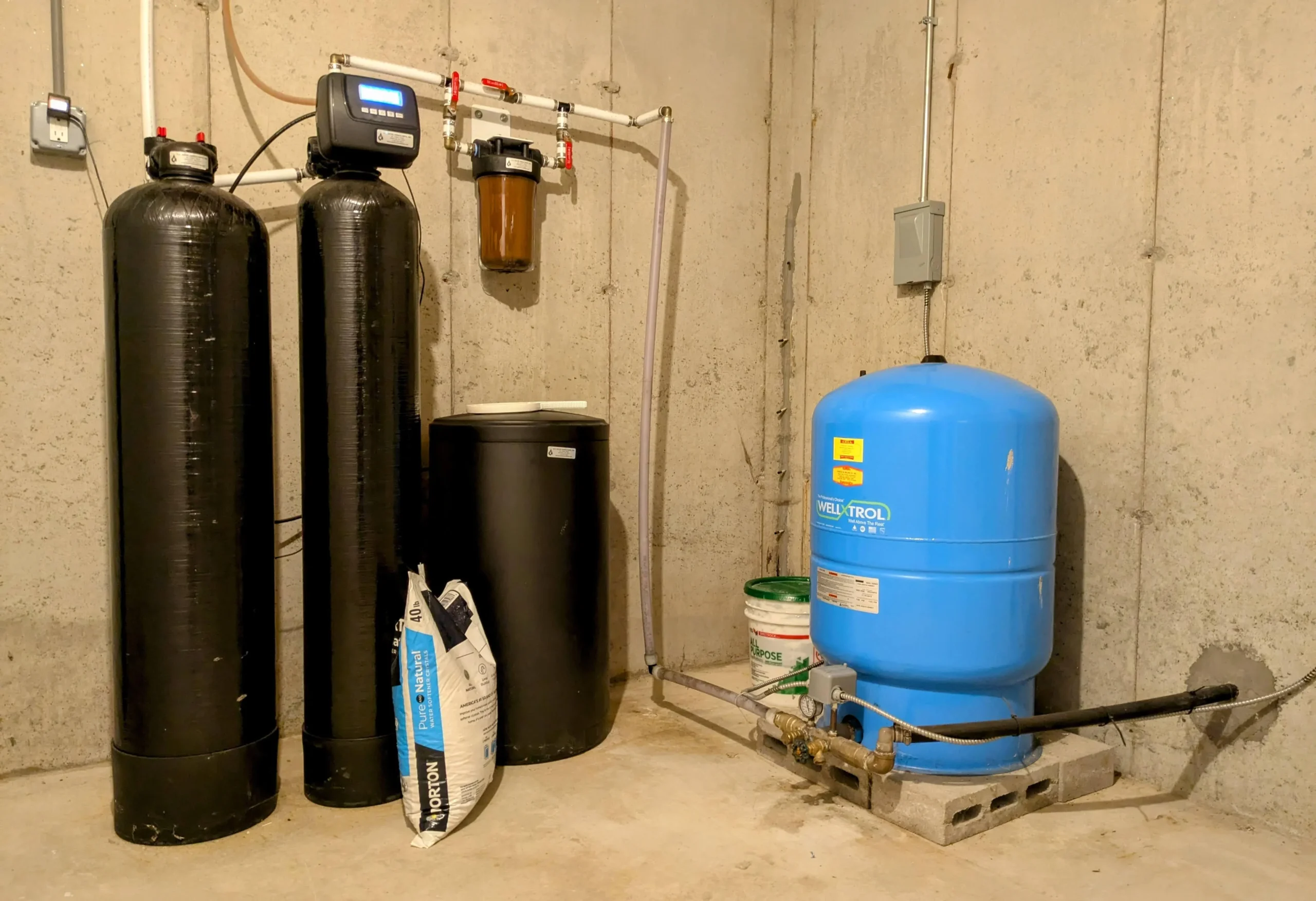
For some homes, a basic sediment filter may be enough. Others may need specialized filtration for iron or sulfur. In areas with multiple water-quality concerns, a combination system may make more sense.
Whole-home treatment is particularly useful when the problem affects bathing, laundry, appliances, and other household uses—not just drinking water. Point-of-use systems, meanwhile, can be appropriate when the primary concern is water at a particular faucet.
Maintenance is another piece of the puzzle. Filters need replacing, tanks may require servicing, and certain systems need periodic cleaning or media replacement. Even a high-quality treatment system won’t perform properly if it’s forgotten for years.
Related reading: Noticing Something Off With Your Water? Here’s How to Get the Support You Actually Need
Don’t Ignore Changes in Your Water
Water-quality problems rarely make themselves convenient. They show up as stains on a favorite shirt, a strange smell during a morning shower, or gritty residue around a faucet. Small signs can be surprisingly informative.
If your water has recently changed in color, taste, smell, or clarity, take a moment to investigate. For homeowners using well water especially, regular testing can provide useful information before a minor issue turns into a bigger one.
Clean water isn’t something you should have to think about every time you fill a glass. With accurate testing and a treatment system suited to the actual water chemistry, it can simply become what it ought to be: reliable, refreshing, and one less thing to worry about.