Most people don’t think much about their home’s water until something goes wrong. A tap starts leaving white marks on the sink, soap refuses to lather properly, or an appliance seems to need cleaning more often than it used to. These little frustrations can build up over time, especially when you don’t know what’s causing them.
In many homes, the problem comes down to water quality. Minerals, sediment, and other substances can affect how water feels, tastes, and behaves around the house. Although some issues are mainly cosmetic, others can contribute to maintenance problems or require further investigation. Understanding the difference can help you protect your household equipment and make more informed choices about water treatment.
The aim isn’t to make every drop of water perfect. It’s to understand what your home needs and find a practical solution that works for your family, your budget, and your daily routine.
Why Your Household Water Matters
Water travels through pipes, fixtures, and appliances every day. Even when the supply is safe to use, its mineral content and other characteristics can influence how well certain household systems perform.
Hard water is a common example. It contains elevated levels of calcium and magnesium, which can leave deposits on taps, shower screens, and glassware. Over time, scale may also build up inside equipment that heats water. The result can be more cleaning, reduced efficiency in some applications, and additional maintenance.
Other households experience sediment, staining, or unpleasant tastes and odours. These problems can have different causes, so it’s important not to assume that one treatment method will solve everything. A water test can help identify the issue and guide you toward an appropriate option.
It’s also worth separating household convenience from water safety. Mineral deposits may be annoying, but they don’t automatically indicate a health risk. Concerns involving bacteria, lead, nitrates, or other potentially harmful substances require a different approach and, where appropriate, testing by a qualified laboratory.
Protecting Your Water Heater From Mineral Buildup
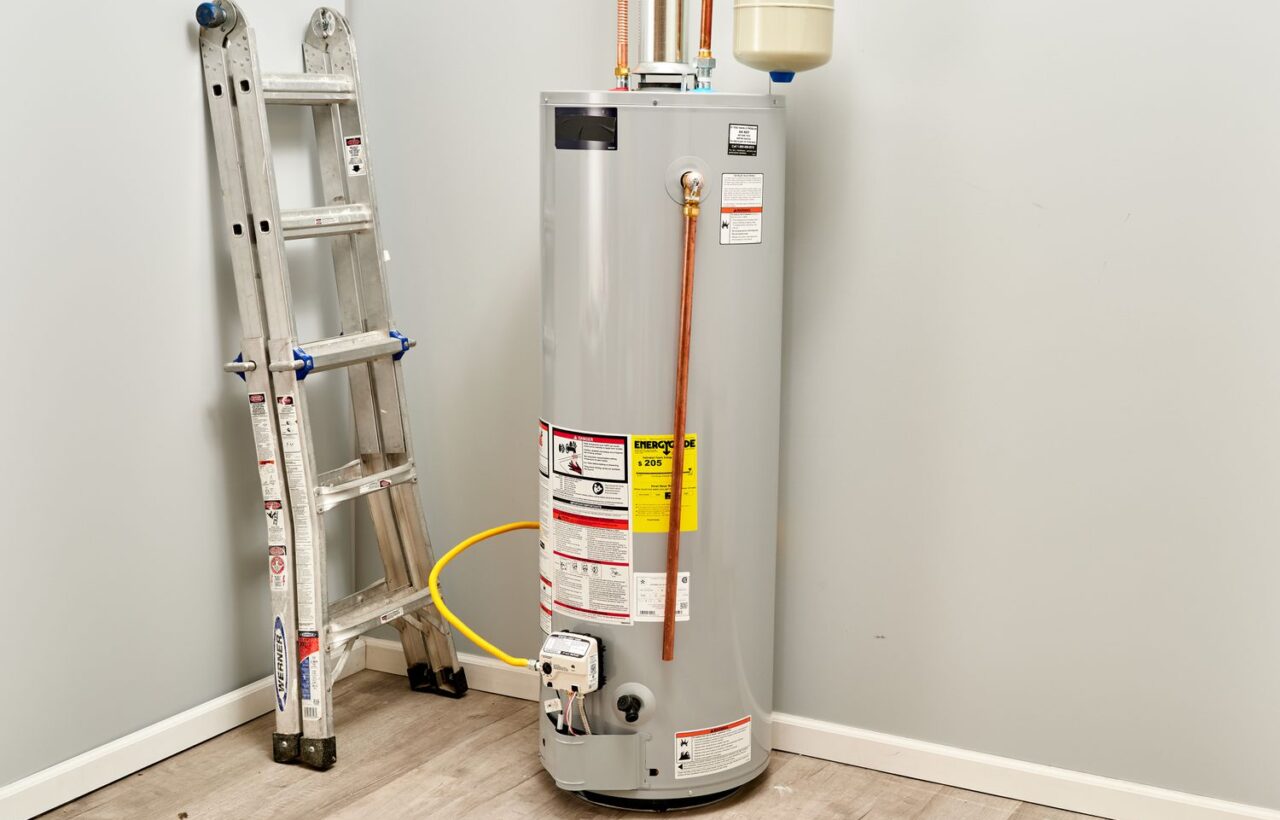
Hot water systems are particularly affected by the characteristics of the water passing through them. When hard water is heated, mineral deposits can form inside the equipment and connected pipework. Depending on the system, this buildup may affect heat transfer, contribute to noise, or increase the need for maintenance.
A water heater that struggles to perform as expected shouldn’t automatically be blamed on hard water, of course. Age, incorrect settings, worn components, and other mechanical problems can cause similar symptoms. If you notice unusual noises, inconsistent temperatures, leaks, or a sudden change in performance, arrange an inspection rather than guessing at the cause.
Routine maintenance is important. Follow the manufacturer’s recommendations for inspections, flushing where appropriate, and checking safety components. The correct procedure depends on the type of equipment, so professional guidance is sensible if you’re unsure.
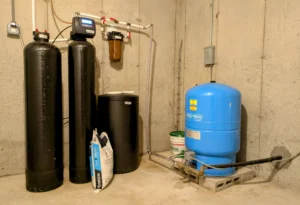
Water treatment may help when testing confirms that hardness is contributing to scale. A properly selected water softener can reduce the minerals responsible for conventional hard-water buildup. However, the treatment should be sized for the household and maintained according to its specifications.
What About Boilers and Heating Systems?
In homes that use a boiler for space heating or hot water, water quality can affect the equipment and the wider heating circuit. Scale may form in parts of the system where water is heated, while corrosion can develop under certain conditions. These problems aren’t identical, and treating them requires an understanding of the equipment involved.
Closed-loop heating systems may use water treatment products designed to control corrosion and maintain suitable water chemistry. The appropriate approach depends on the system design, the materials used, and the manufacturer’s instructions.
If radiators heat unevenly, the system loses pressure repeatedly, or unusual noises develop, those symptoms deserve attention. They can have several causes, including trapped air, circulation problems, leaks, or internal deposits. A qualified heating technician can investigate the issue and recommend the right repair.
It’s tempting to keep topping up a system or adjusting controls when performance changes, but repeated fixes without identifying the underlying cause can make matters worse. Regular servicing is usually a better long-term strategy.
Keeping Your Washing Machine in Good Condition
Laundry is another area where water quality can make a noticeable difference. Hard water may interfere with the way detergents work, and mineral deposits can accumulate in certain parts of an appliance. That doesn’t mean every washing machine in a hard-water area will develop serious problems, but water conditions can influence cleaning routines and maintenance needs.
Start with the basics. Use the detergent dosage recommended for your water hardness and the size of the load. Too much detergent can leave residue, while too little may affect cleaning performance. Modern machines also vary considerably, so check the manufacturer’s guidance before adding cleaning products or changing settings.
A washing machine benefits from regular care, including cleaning the detergent drawer, checking the door seal, and following the recommended drum-cleaning routine. Leaving the door open after a cycle, when safe and practical, can help the interior dry and reduce lingering odours.
If you regularly see mineral marks on clothing or notice that laundry feels stiff, investigate the water hardness rather than immediately switching to a different detergent. A water test can help establish whether minerals are contributing to the problem.
Why Your Dishwasher May Leave Spots
Few things are more frustrating than opening a dishwasher after a full cycle and finding cloudy glasses or white marks on otherwise clean dishes. Water hardness can contribute to these symptoms, although detergent choice, rinse-aid levels, loading practices, and the appliance’s condition may also play a role.
Many dishwashers have settings designed for different water hardness levels. Check the user manual and adjust the settings according to the actual conditions in your home. If your model uses dishwasher salt to support its built-in softening system, refill it as directed.
A dishwasher should also be cleaned and inspected periodically. Food debris can collect in filters, spray arms may become blocked, and residue can accumulate around seals. These simple maintenance tasks often make a noticeable difference.
Don’t assume that installing a whole-house filter will automatically solve spotting. Standard sediment and carbon filters generally aren’t designed to remove the dissolved minerals that cause hard water. If hardness is the issue, a suitable softening system may be more relevant.
Choosing the Right Water Treatment
Water treatment works best when it addresses a confirmed problem. Before buying equipment, identify what is happening, where it occurs, and whether it affects one appliance or the entire household.
A sediment filter can capture suspended particles, while activated carbon may reduce chlorine taste and odour or certain other substances, depending on its design. Water softeners address hardness minerals. Reverse osmosis systems can reduce many dissolved substances in drinking water when appropriately selected and maintained.
These technologies aren’t interchangeable. A filter that improves taste may do little to prevent scale, and a softener isn’t a universal solution for chemical or microbial contamination.
Consider the installation cost, maintenance schedule, replacement parts, water usage, and expected service life. Ask providers to explain their recommendations and provide clear information about what a system can and cannot do. If a company promises to solve every water problem with one product, be cautious.
Small Steps Can Deliver Long-Term Value
You don’t need to replace your appliances or install a complicated treatment system just because you notice mineral deposits. Begin by observing the symptoms, checking appliance maintenance requirements, and testing your water when necessary. These steps can prevent unnecessary spending and help you choose a solution based on evidence.
Good water management is about more than clean-looking taps. It means understanding how your water interacts with the equipment you depend on every day, from heating systems to laundry and dishwashing appliances.
With the right information, regular maintenance, and suitable treatment where needed, you can reduce avoidable problems and help your household systems perform as intended. Sometimes, the smartest home improvement isn’t a major renovation at all. It’s a better understanding of something you use every single day.