Most of us expect the plumbing to work without giving it much thought. Turn on the kitchen tap, fill a glass, take a shower, flush the toilet—it’s all part of the daily routine. We rarely stop to appreciate how much depends on a network of pipes, valves, drains, and fittings working properly behind the scenes.
Then something changes. The shower loses pressure, a strange damp patch appears near the bathroom wall, or the water bill arrives higher than expected. Suddenly, the plumbing system gets your full attention.
The good news is that many household plumbing problems become easier to manage when you know what to look for. A little preventive care, sensible equipment choices, and timely professional help can keep your home running comfortably without turning every small issue into a major project.
When Water Pressure Doesn’t Feel Quite Right
Water pressure is one of those things you notice most when it’s missing. A weak shower can make getting ready in the morning frustrating, while a kitchen tap that barely flows makes ordinary chores take longer than they should. Sometimes the cause is simple, such as a clogged aerator or a partially closed valve. Other times, the issue may involve pipe restrictions, a faulty pressure regulator, or the incoming water supply.
Before assuming the entire plumbing system needs work, check whether the problem affects one fixture or several. If only a single faucet has weak flow, the issue may be local. If multiple taps and showers are affected, the cause could be farther upstream.
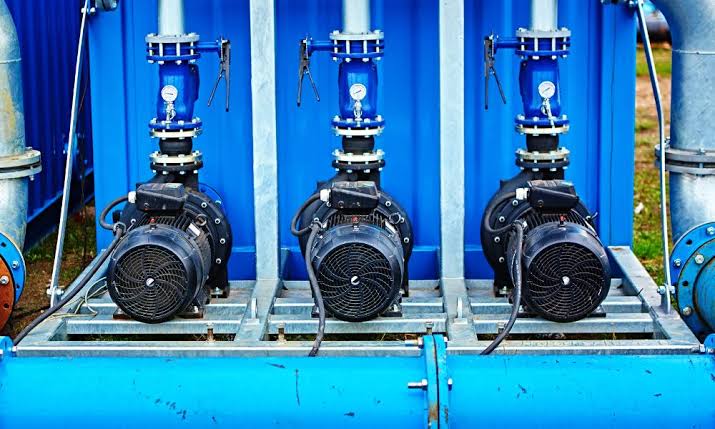
In homes where incoming pressure is consistently low, booster pumps may help improve water delivery when properly selected and installed. These systems increase pressure to support household demand, but choosing one isn’t simply a matter of buying the most powerful unit available. The pump must suit the property’s plumbing, incoming supply, required flow rate, and applicable local rules.
It’s worth having a qualified plumber investigate the underlying cause first. Increasing pressure won’t fix a blocked pipe or an inadequate supply, and excessive pressure can put unnecessary stress on plumbing connections and appliances. A measured approach usually works better than treating every pressure problem the same way.
Everyday Fixtures Deserve a Little Attention
Some plumbing problems begin with components we use dozens of times a day. A faucet handle becomes loose, a showerhead starts dripping, or a bathroom fitting develops a persistent leak around its base. These issues might not seem urgent, but they can waste water and gradually damage nearby surfaces.
Bathrooms deserve particular attention because moisture can hide in places that aren’t immediately visible. Check around the sink, beneath the vanity, and near the shower enclosure for dampness or unusual smells. A small amount of water left unnoticed can damage cabinet materials, flooring, and wall finishes over time.
The same applies to toilets, which can quietly waste water when a flapper, fill valve, or other internal component stops working properly. If you hear the tank refilling when nobody has used the bathroom, investigate rather than assuming it’s normal. A running toilet can waste a surprising amount of water over days and weeks.
Routine checks don’t need to become a major household project. Keep an eye on visible connections, clean faucet aerators when flow slows, and replace worn parts when needed. If a fixture is cracked, badly corroded, or repeatedly failing, replacing it may be more practical than continuing to patch the same problem.
Hidden Leaks Can Cost More Than You Expect
A visible drip is annoying, but a hidden leak can be much harder to spot. Water may travel behind a wall, beneath flooring, or through a ceiling before leaving an obvious mark. By then, the surrounding materials may already have absorbed moisture.
Watch for clues such as peeling paint, unexplained dampness, musty odours, warped flooring, or a water meter that continues moving when all fixtures are turned off and no water is being used. None of these signs proves that a pipe is leaking, but each deserves investigation.
Professional leak detection & repair can help locate the source and determine the most appropriate fix. Depending on the situation, a plumber may inspect exposed pipes, test the plumbing system, or use specialised equipment to investigate concealed areas. Finding the actual entry point matters because the wet patch on a wall or ceiling may be some distance from the damaged pipe.
If you discover an active leak, shut off the relevant water supply if you can do so safely. Move belongings away from the affected area and avoid contact with water near electrical equipment. For substantial flooding or suspected structural damage, seek appropriate professional assistance promptly.
Once the leak has been repaired, don’t overlook the damage left behind. Wet insulation, flooring, or wall materials may need to be dried or replaced. Fixing the pipe is only part of restoring the home.
Know When a Repair Is Enough
Not every plumbing problem requires a complete replacement. A worn washer, faulty valve, blocked aerator, or damaged section of pipe may be repairable without disturbing the rest of the system. When the surrounding components remain in good condition, a targeted repair can be both practical and cost-effective.
However, repeated repairs sometimes signal a larger issue. If the same pipe keeps leaking, fittings show widespread corrosion, or water pressure problems continue despite previous work, ask whether the system needs a more comprehensive assessment.
A good plumber should explain what has failed, why it happened, and what options are available. Request a written estimate for significant work and clarify whether materials, labour, cleanup, and follow-up checks are included. Understanding the scope makes it easier to compare proposals and avoid unexpected expenses.
A Few Habits That Help Prevent Plumbing Trouble
Prevention doesn’t require specialist knowledge. Avoid pouring cooking grease down the kitchen drain, use drain covers where hair and debris collect, and pay attention to unusual sounds from pipes or water heaters. Check appliance hoses periodically and replace damaged ones according to the manufacturer’s guidance.
It’s also useful to know where your main water shut-off valve is located. In an emergency, being able to stop the flow quickly may limit damage while help is on the way. If you live in an older home, consider arranging a plumbing inspection to understand the condition of the pipes and identify concerns before they become urgent.
Keep records of repairs, installations, and recurring issues. It may feel unnecessary at first, but that history can help a professional spot patterns and recommend sensible next steps.
Keep Your Plumbing Ready for Everyday Life
Reliable plumbing isn’t about having the newest fixtures or the most complicated equipment. It’s about having a system that suits your household, receives reasonable care, and gets attention when something changes.
Pay attention to pressure, check for leaks, maintain the fixtures you use every day, and don’t ignore recurring problems. When a repair involves hidden pipes or components beyond your experience, professional help can save time and reduce the risk of further damage.
A little attention now can prevent a great deal of inconvenience later. And when the plumbing works as it should, you can get back to the ordinary routines that make a house feel like home.