Water is one of those things most people don’t think much about until it starts causing trouble. A shower leaves your skin feeling dry, glasses come out of the dishwasher with cloudy marks, or soap seems to disappear without creating a decent lather. These little annoyances can become part of the daily routine, especially in homes where hard water is common.
The good news is that water treatment technology has come a long way. Modern softening systems can make household water easier to manage, help reduce mineral buildup, and improve the experience of everyday tasks. The trick is understanding what a system actually does, how its design affects performance, and what to consider before bringing one into your home.
Why Hard Water Can Be More Than a Minor Inconvenience
Hard water contains dissolved minerals, mainly calcium and magnesium. These minerals are naturally present in many groundwater supplies, so their appearance isn’t necessarily a sign that water is unsafe. Still, they can create practical problems around the house.
Over time, mineral deposits may accumulate inside pipes, water heaters, showerheads, and other plumbing fixtures. Faucets can develop stubborn white marks, while soap and shampoo may be harder to rinse away. Laundry can also feel rougher than expected, and cleaning may take more effort than it should.
The impact varies from one household to another. Water hardness, plumbing conditions, appliance usage, and personal preferences all play a role. Someone with moderately hard water may barely notice it, while another homeowner might be tired of scrubbing mineral stains every weekend.
Understanding the water coming into your home is a sensible first step. A basic hardness test can help establish whether a softener is worth considering, rather than choosing equipment based on guesswork or a neighbor’s experience.
How Modern Water Softeners Work
Many residential softeners use an ion exchange process to reduce calcium and magnesium in water. As water passes through a tank containing resin beads, the beads capture hardness minerals and release sodium or potassium ions in exchange. The result is softened water that generally produces better lather and leaves fewer mineral deposits.
Eventually, the resin needs to be regenerated so it can continue working. In many systems, this involves a brine solution that removes accumulated hardness minerals from the resin and flushes them away during a cleaning cycle.
Although the basic principle is straightforward, system design makes a difference. The size of the resin bed, the household’s daily water use, incoming hardness, and regeneration settings all influence how well a softener performs. A system that works beautifully for a couple in a small home may be a poor fit for a busy family with several bathrooms.
That’s why selecting equipment should begin with actual household needs. A professional assessment can help determine capacity requirements and whether additional filtration is necessary. Softening addresses hardness, but it doesn’t automatically remove every contaminant or improve every aspect of water quality.
Why Tank Design Matters in Daily Use
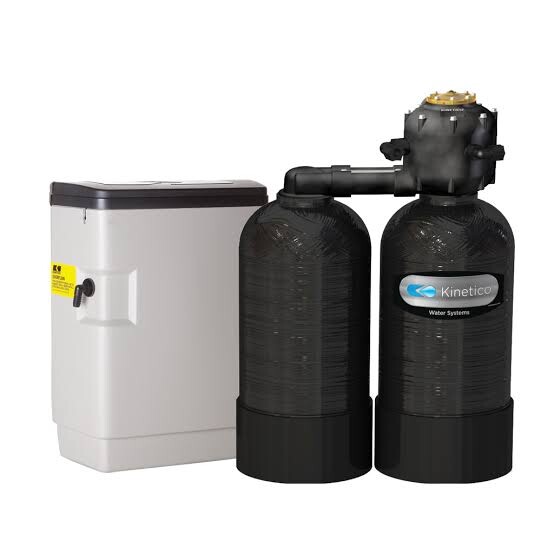
A water softener isn’t simply a tank connected to the plumbing. Its internal arrangement affects how the equipment handles demand, regeneration, and interruptions in normal operation. Some systems use a multi-tank design to support continuous access to softened water.
In a multi-tank arrangement, one tank can remain in service while another regenerates, depending on the system’s configuration. This approach can be useful in households where water demand continues throughout the day and people don’t want to plan showers or laundry around regeneration schedules.
However, more tanks don’t automatically mean a better solution for every property. The right design depends on household size, peak demand, available installation space, and the technology used by the manufacturer. A compact household may do perfectly well with a simpler system, while a larger home could benefit from equipment designed to maintain supply during regeneration.
Ask practical questions before choosing. How much softened water can the system provide? How does it decide when regeneration is needed? What maintenance does it require? Clear answers to these questions are more valuable than a long list of technical features that don’t relate to your daily routine.
The Difference You Can Feel After Installation
When a softener is properly selected and maintained, the benefits often appear in small, ordinary moments. Soap may lather more easily, shower glass can be simpler to clean, and laundry may feel less stiff. You might also spend less time dealing with scale around taps and bathroom fixtures.
Some systems are designed to provide a soft water rinse, which can be particularly appealing to people who dislike the residue and mineral spotting associated with hard water. Softer water may help reduce the film left behind during washing, although results depend on the equipment, cleaning products, and the condition of the surfaces involved.
It’s worth keeping expectations realistic. A water softener won’t repair existing plumbing damage, remove every stain that has accumulated over years, or solve problems caused by bacteria and other contaminants. Those concerns may require separate treatment or professional inspection.
There is also an important distinction between softening and filtration. If your water has an unusual odor, a metallic taste, or a suspected contaminant, testing should guide the next step. Depending on the results, a sediment filter, activated carbon filter, reverse osmosis unit, or another treatment method may be appropriate.
Choosing Equipment That Fits Your Household
A little research before installation can save frustration later. Start by identifying the water problems you want to address. Is the main concern scale buildup? Are soap and shampoo difficult to rinse away? Do appliances require frequent descaling? These details help narrow down the type of system that makes sense.
Next, consider water consumption. A household with several people may need more capacity than a property occupied by one or two residents. If showers, dishwashing, and laundry regularly happen at the same time, peak demand matters as much as average daily use.
Look at operating costs, too. Softening systems may consume salt, water, and energy depending on their design. Regeneration efficiency, replacement parts, service availability, and warranty coverage all contribute to the long-term cost of ownership.
Homeowners researching premium equipment may come across the kinetico premier series while comparing residential water treatment options. When evaluating a particular product line, review the manufacturer’s specifications, installation requirements, maintenance recommendations, and suitability for your water conditions. The most useful comparison is not simply about brand recognition; it’s about how well the equipment meets your needs over time.
A reputable installer should also explain what the system can and cannot accomplish. Be cautious of broad promises that one device will solve every possible water issue. Good advice starts with testing and a clear explanation of the results.
Keeping the System Working Properly
Even reliable equipment needs occasional attention. Salt-based softeners should be checked periodically to ensure the salt supply is adequate and the brine tank is operating as intended. Salt bridges, unusual water use, or changes in water hardness can signal that something needs checking.
Follow the manufacturer’s guidance for cleaning, servicing, and replacing components. If softened water suddenly feels different or mineral spots begin returning, don’t assume the entire system has failed. The cause might be an empty salt tank, a regeneration issue, changing water conditions, or a mechanical problem.
It can help to keep a simple record of service visits and any changes you notice. This is especially useful if your home has a combination of softening and filtration equipment. Regular checks make it easier to spot gradual changes before they become expensive problems.
Better Water Starts with an Informed Choice
Choosing a water softener is ultimately about making everyday life a little easier. The right system can reduce mineral buildup, simplify cleaning, and improve how water feels during ordinary household tasks. But the best results come from matching equipment to real conditions, not from assuming that the biggest or most expensive model must be the right one.
Start with a water test, think about your household’s habits, and compare systems based on performance, maintenance, and long-term value. With a thoughtful selection and a little ongoing care, water treatment can become one of those home improvements you appreciate without having to think about very often.