Water is one of the few things we use dozens of times without really thinking about it. We pour a glass while making breakfast, rinse fresh vegetables before dinner, wash clothes, brew coffee, and take a hot shower after work. It quietly supports nearly every part of our routine. That’s why even the smallest change can feel surprisingly noticeable.
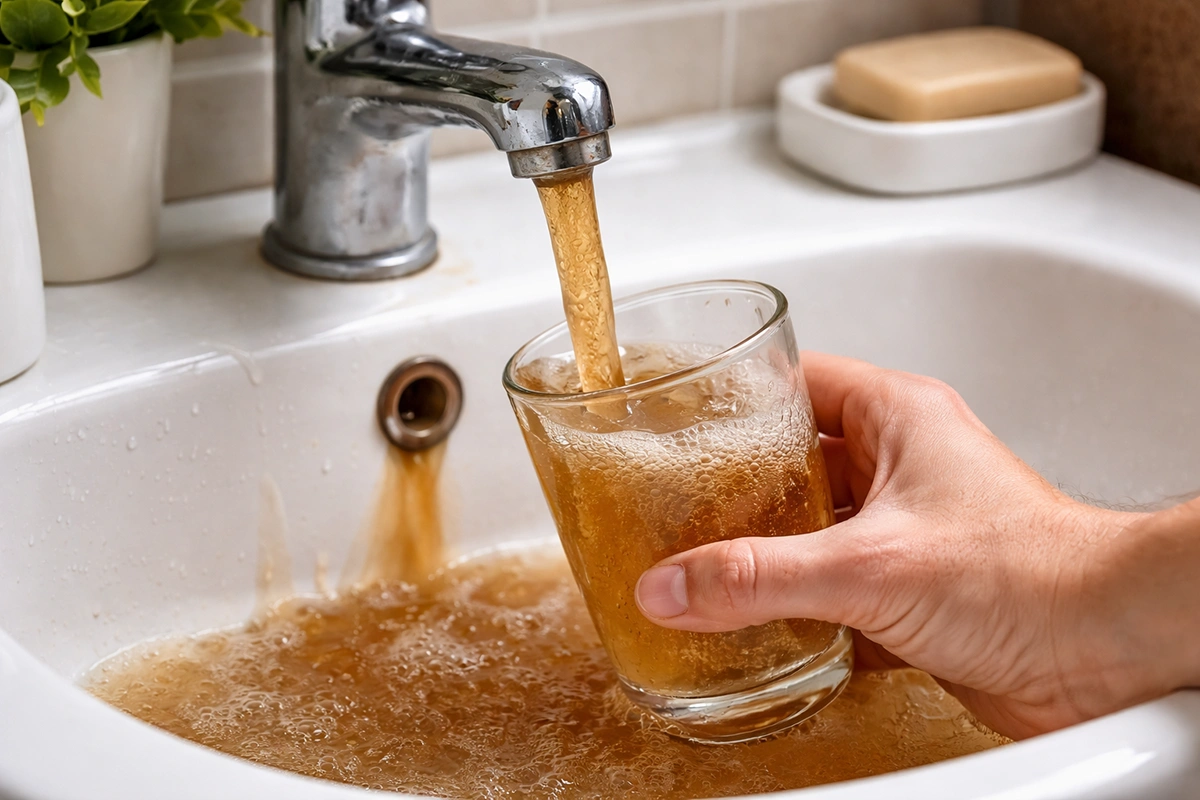
Maybe your drinking water tastes different than it did last month. Perhaps your bathroom sink develops strange stains that seem impossible to remove, or your shower suddenly carries an unfamiliar smell. Most of the time, these changes aren’t random. They’re often clues that your home’s water deserves a closer look.
Related reading: Clearer Water at Home: Why the Smallest Filters Often Make the Biggest Difference
The encouraging part is that understanding your water isn’t nearly as complicated as many homeowners imagine. A little attention today can prevent unnecessary frustration tomorrow.
Water Naturally Changes Throughout the Year
Many people assume the water arriving at their home remains exactly the same every day.
In reality, water sources are constantly changing. Municipal utilities adjust treatment methods depending on seasonal conditions, rainfall affects reservoirs and groundwater, and natural mineral levels fluctuate over time. Homes using private wells experience even greater variation because underground water responds to weather patterns and local geology.
These natural changes don’t automatically mean something is wrong. They simply explain why water occasionally looks, smells, or tastes a little different than expected.
Understanding that variation helps homeowners respond calmly instead of assuming the worst.
Not Everything in Water Can Be Seen
One of the biggest misconceptions about drinking water is that clear water must always be perfect.
While appearance certainly matters, many water contaminants are completely invisible. Minerals, dissolved metals, chlorine residuals, naturally occurring compounds, or microscopic particles can’t always be detected with the naked eye.
That doesn’t necessarily mean they’re present at harmful levels. It simply highlights why appearance alone can’t tell the entire story.
Professional testing provides a much more accurate picture than relying on taste or color by itself.
Sometimes Your Nose Notices Problems First
Before people recognize changes in taste or appearance, they often notice an unpleasant odor coming from the tap.
Certain smells resemble chlorine, while others remind homeowners of damp earth, sulfur, or even rotten eggs. These odors can result from naturally occurring compounds, temporary treatment adjustments, bacteria, plumbing conditions, or changes within a water heater.
Related reading: Understanding Well Water: Practical Ways to Improve Quality at Home
The location of the smell often provides useful clues.
If only the hot water smells unusual, the water heater may deserve attention. If every faucet produces the same odor, the incoming supply may require further investigation.
Those simple observations can make troubleshooting much easier.
Your Plumbing Plays an Important Role
Not every water concern begins at the treatment plant or well.
Water travels through pipes before reaching every faucet in your home. Older plumbing systems, aging fixtures, or mineral deposits inside pipes can all influence how water tastes, smells, or flows.
Related reading: The Water You Live With Every Day—And What You Might Be Missing
Even homes connected to the same municipal system may experience noticeably different water because plumbing conditions vary from one property to another.
That’s one reason neighbors sometimes describe completely different experiences despite sharing the same local water supply.
Better Water Benefits the Entire Home
People naturally associate water improvements with drinking, but the benefits extend much further.
Water affects showers, laundry, dishwashing, cooking, water heaters, refrigerators, washing machines, and countless other household tasks.
Balanced water helps appliances operate more efficiently, reduces mineral deposits, and often makes soap work more effectively. Coffee tastes cleaner, vegetables rinse more easily, and glassware remains clearer after washing.
These improvements may seem small individually, yet together they make everyday living noticeably more comfortable.
Understanding Water Quality Means Looking Beyond Safety
When most people hear the phrase water quality, they immediately think about whether water is safe to drink.
Safety is certainly the foundation, but quality includes much more than that.
It also reflects taste, smell, clarity, mineral balance, and how water performs throughout the home. Water can easily meet health regulations while still leaving spots on dishes or producing flavors that discourage people from drinking enough throughout the day.
Related reading: The Quiet Science Behind Every Clean Glass of Water
Looking at the complete picture allows homeowners to make smarter decisions about treatment and maintenance.
Why Testing Removes the Guesswork
One common mistake homeowners make is purchasing filtration equipment before identifying the actual issue.
Testing first almost always produces better results.
A professional water analysis measures hardness, pH balance, dissolved minerals, chlorine levels, iron, sediment, and many other characteristics unique to your home’s supply.
Instead of spending money on equipment based on advertisements or assumptions, testing provides reliable information that guides the right solution from the beginning.
Knowledge is often the most valuable investment you can make.
Small Improvements Create Long-Term Benefits
Improving household water doesn’t always require dramatic changes.
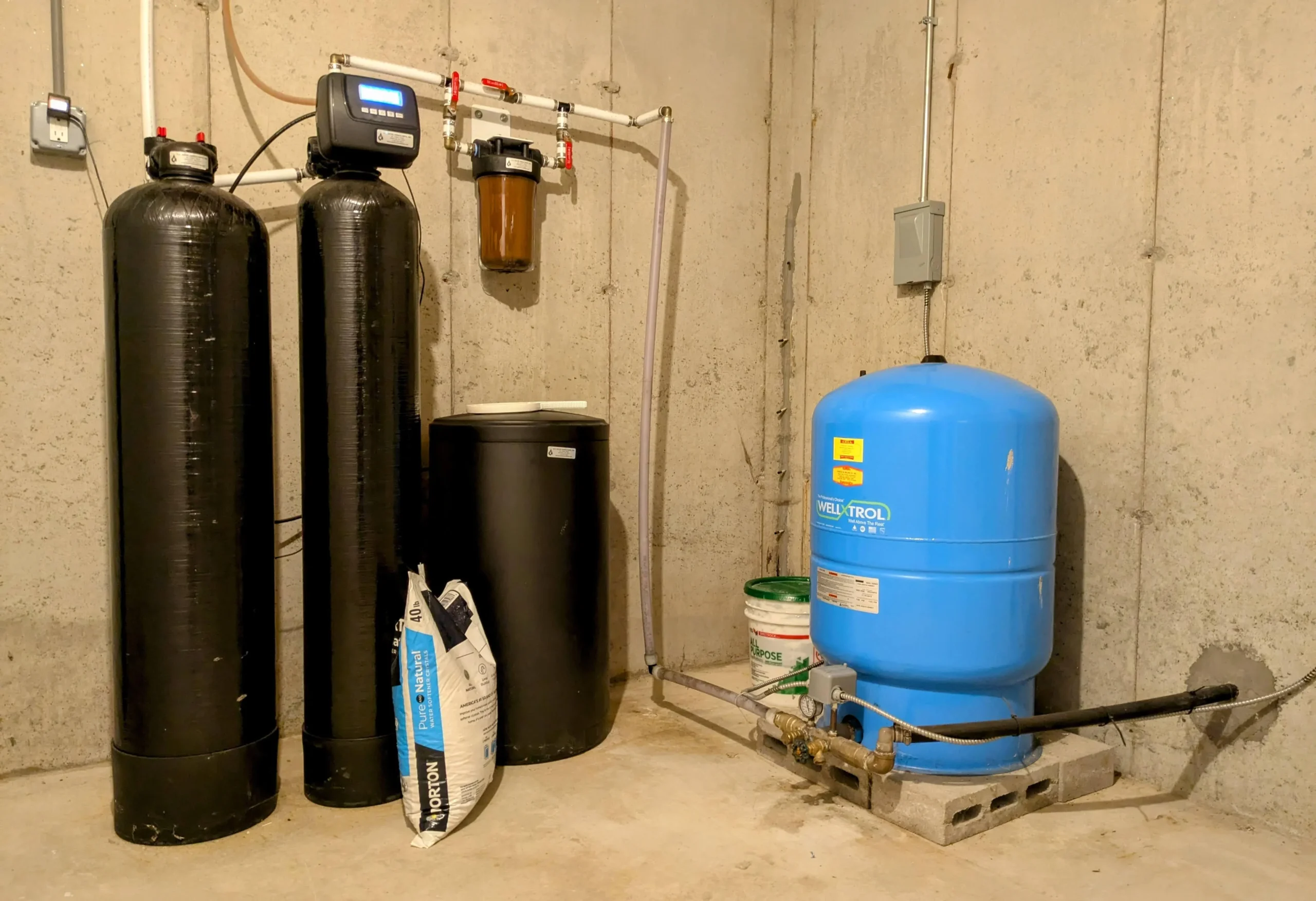
Sometimes replacing an aging filter, servicing a water heater, or installing treatment designed specifically for your home’s needs makes a remarkable difference.
Cleaner-tasting beverages, softer laundry, more efficient appliances, fewer mineral deposits, and greater confidence in your tap water gradually become part of everyday life.
The best part is that these improvements continue working quietly in the background every single day.
Better Water Starts with Paying Attention
Your home’s water communicates more than most people realize.
A different taste, a new odor, unusual stains, or changing appliance performance often serve as early reminders that something deserves attention. Fortunately, most water concerns can be identified and addressed once homeowners understand what they’re dealing with.
Related reading: Why Smart Businesses Are Taking a Closer Look at Their Water Systems
Rather than ignoring those subtle clues, think of them as opportunities to learn more about one of your home’s most valuable resources.
When you understand your water and make improvements based on accurate information, every glass you pour, every meal you prepare, and every shower you take becomes a little more enjoyable.
Sometimes the simplest path to a more comfortable home begins with something as ordinary—and as important—as the water flowing from your tap.