Water is one of those things we tend to notice only when something goes wrong. A faucet starts leaving white marks, the shower loses pressure, or an appliance suddenly stops performing like it used to. At a business, the consequences can be even more frustrating. Equipment may need servicing, production can slow down, and a small water-quality issue can become an expensive operational headache.
The good news is that many of these problems can be managed with the right treatment approach.
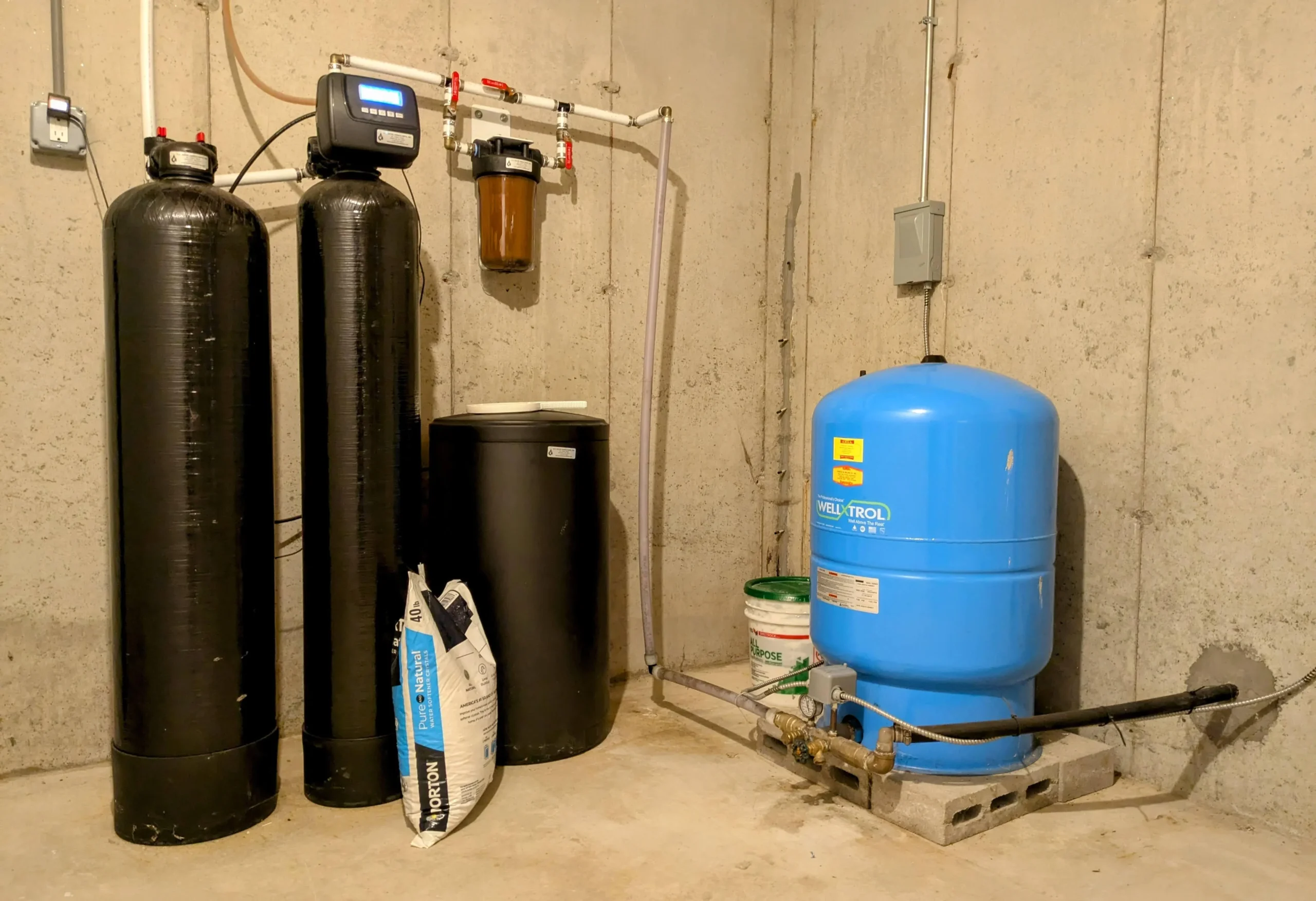
Modern water softening & filtration can help address common water-quality concerns such as hardness, sediment, chlorine, and certain unwanted substances. But the right system isn’t simply the one with the most features. It should be chosen around the actual water conditions, the property’s needs, and how much water is being used.
That starts with understanding the problem.
Why Water Quality Deserves Attention
Water can look perfectly clear and still contain minerals or other substances that affect plumbing and equipment.
Hard water is one of the most common examples. It typically contains higher levels of calcium and magnesium. These minerals aren’t necessarily visible when the water comes out of the tap, but they can leave deposits behind as water evaporates.
Related reading: The Small Water Filtration Components That Make a Big Difference at Home
Over time, those deposits may collect inside pipes, fixtures, water heaters, dishwashers, boilers, and other equipment.
For homeowners, the signs may be relatively minor at first. A little white residue around the faucet. Spots on glassware. Soap that doesn’t seem to rinse quite right.
In a commercial setting, however, the same issue can become much more significant.
How Scale Buildup Develops
Scale buildup usually occurs when hardness minerals precipitate from water and attach themselves to surfaces.
Heating water can make the problem worse. That’s why water heaters and boilers can be particularly vulnerable. As water is heated repeatedly, minerals may accumulate on heating surfaces and inside components.
Related reading: Choosing the Right Drinking Water Solution: From Five-Gallon Jugs to Modern Filtration Systems
The result isn’t always an immediate breakdown. More often, performance gradually declines.
A heating element covered with scale may transfer heat less efficiently. Pipes can become restricted. Valves and other components may become harder to operate.
It’s a little like leaving a thin layer of dust on something and adding another layer every day. One layer doesn’t seem important. Years of layers are another story.
Residential Problems Are Usually Easier to Spot
In a home, hard water often announces itself through everyday annoyances.
You may notice:
- White deposits around faucets
- Spots on dishes and glassware
- Rough-feeling laundry
- Reduced soap lather
- Mineral buildup around showerheads
- Appliances requiring more frequent cleaning
None of these problems necessarily means your water is unsafe. They’re simply signs that water chemistry is affecting the way your household operates.
Related reading: Getting Your Water System Right the First Time (and Why It Matters More Than You Think)
A water test can determine whether hardness is actually the issue and help identify its severity.
From there, homeowners can decide whether treatment is worthwhile.
Commercial Properties Have More at Stake
For businesses, water quality can influence more than comfort.
Restaurants, hotels, laundries, healthcare facilities, manufacturing operations, offices, and other commercial properties may rely heavily on water-consuming equipment.
A small efficiency problem multiplied across hundreds or thousands of gallons can become expensive.
Scale can affect boilers, heat exchangers, cooling systems, commercial dishwashers, and other equipment. If an important component requires unexpected repair, the business may lose more than the cost of the repair itself.
That is where costly downtime becomes a serious concern.
A restaurant can’t easily operate normally if its dishwasher is out of service during a busy evening. A manufacturing facility may face even larger consequences if water-dependent equipment has to be shut down unexpectedly.
Related reading: Finding the Right Water Setup for Your Home: From Kitchen Counters to Whole Systems
Preventing these problems is often much easier than dealing with them after the fact.
Start With Testing Instead of Guessing
One of the smartest approaches to water treatment is surprisingly simple: test the water first.
A proper analysis can provide information about hardness, pH, chlorine, iron, sediment, dissolved solids, and other characteristics.
Private wells deserve particular attention because groundwater quality can vary with location and conditions. Municipal supplies are treated and monitored, but household plumbing and local factors can still influence the water that reaches the tap.
Testing gives you a baseline.
Instead of choosing a treatment system because a neighbor uses one, you can select equipment based on your own water.
That’s a much better starting point.
Choosing Between Softening and Filtration
Water softeners and filters don’t perform the same job.
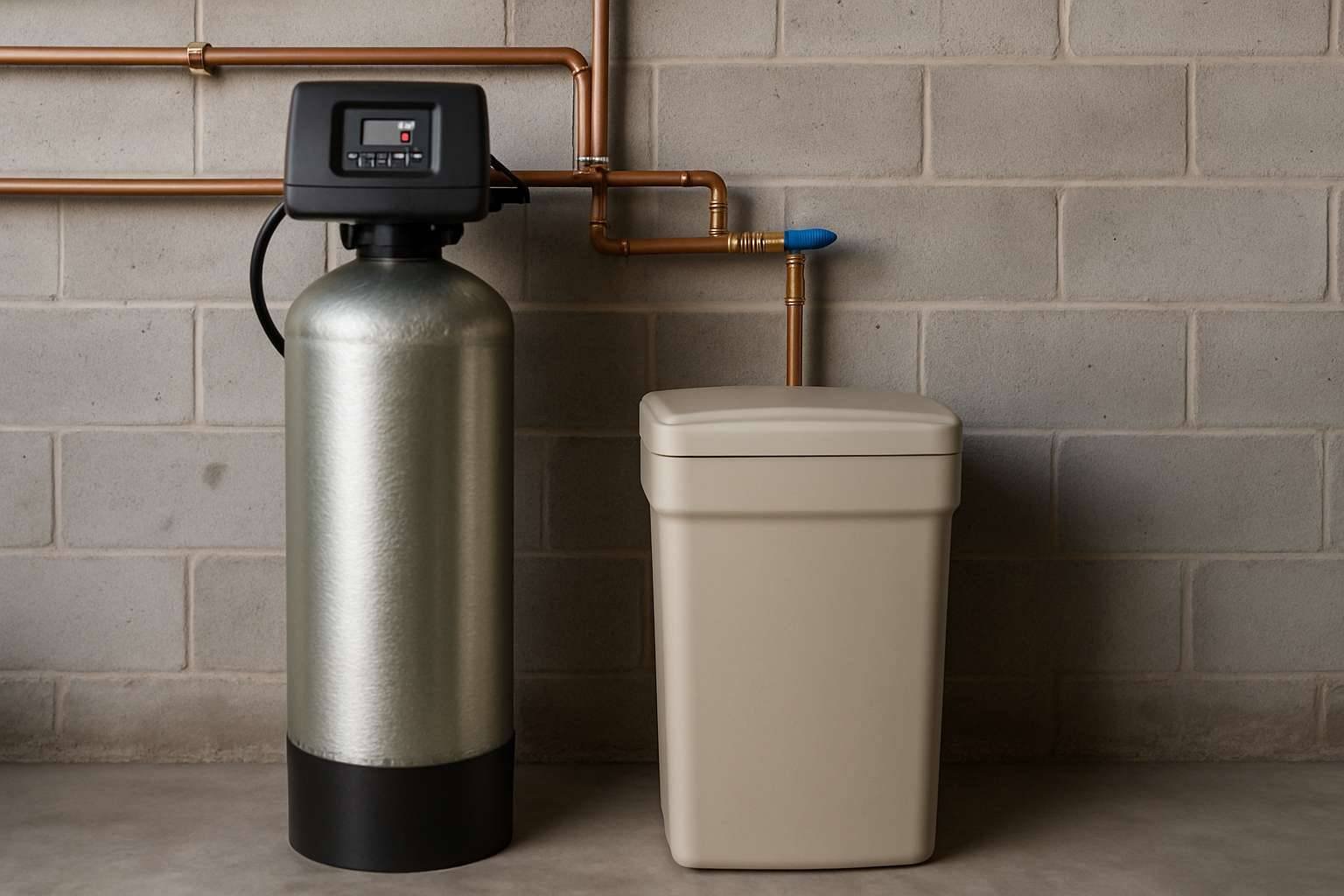
A softener is primarily designed to address hardness minerals. Filtration systems can target sediment, chlorine, certain chemicals, or other contaminants depending on the filter technology.
Sometimes a property benefits from both.
For example, a commercial facility might need softening to protect water-heating equipment while also using carbon filtration for taste or chlorine reduction.
The ideal setup depends on the water analysis and the property’s specific requirements.
There’s no prize for having the most complicated system. The goal is effective treatment.
Proper Sizing Makes a Difference
Even the right technology can perform poorly if the equipment isn’t sized correctly.
A small residential system may be perfectly suitable for a modest household but completely inadequate for a large commercial building.
Water demand, peak usage, hardness levels, incoming pressure, and available space should all be considered.
Oversizing can also be wasteful. Larger equipment may cost more to purchase and maintain without providing meaningful benefits.
Professional assessment can help determine an appropriate capacity.
Maintenance Protects Your Investment
Water treatment systems aren’t completely maintenance-free.
Filters need replacement. Softener components may need servicing. Tanks and valves should be inspected, and commercial systems may require scheduled maintenance to keep performance consistent.
Regular service also provides an opportunity to notice developing problems before they become major repairs.
For businesses, planned maintenance is especially useful because it can often be scheduled around normal operating hours rather than waiting for an emergency.
For homeowners, a simple reminder on the phone may be enough to prevent forgotten filter changes.
Think About the Long-Term Picture
It’s easy to focus on the cost of installing a treatment system. But the more useful question is what the system could save over time.
Related reading: The Small Water Problem That Quietly Shortens the Life of Your Home
Less scale may mean fewer repairs. Better water quality can help equipment operate as intended. Regular maintenance can extend service life.
Of course, no treatment system eliminates every possible plumbing or equipment problem. But reducing avoidable stress on water-using components is a sensible part of property maintenance.
The key is choosing equipment that matches the actual water conditions and keeping it properly serviced.
Better Water Treatment Is About Prevention
Water treatment isn’t particularly glamorous. Nobody throws a party because their water softener regenerated correctly.
Yet these quiet systems can play an important role in protecting homes and businesses.
Test the water. Identify the actual concern. Choose the right combination of softening or filtration, size the system properly, and keep up with maintenance.
Whether you’re trying to prevent white scale around a kitchen faucet or protect expensive commercial equipment, a thoughtful approach can save considerable frustration.
The best treatment system is usually the one you don’t have to think about very often. It works quietly in the background, helps protect your plumbing and equipment, and keeps small water-quality issues from turning into much bigger problems.