You pour yourself a glass of water, take a sip, and immediately notice something unpleasant. Maybe it tastes slightly chemical, or perhaps there are tiny particles floating near the bottom of the glass. Neither experience is particularly inviting, especially when all you want is a refreshing drink after a long day.
For homeowners throughout the Treasure Valley, concerns about drinking water quality can lead to a growing dependence on bottled water. But there are other ways to address these frustrations.
Understanding what’s affecting your water, and choosing treatment based on those findings, can help you create a more enjoyable and convenient drinking water experience at home.
Why Does Tap Water Sometimes Smell Like a Swimming Pool?
Municipal water suppliers commonly use disinfectants to help control harmful microorganisms as water travels through distribution networks. Although disinfection serves an important purpose, some people are particularly sensitive to the resulting flavors and smells.
A noticeable chlorine taste and odor can make drinking tap water less appealing, even when the water meets applicable safety requirements.
It can also influence the flavor of coffee, tea, and other homemade beverages.
Activated carbon filtration is commonly used to reduce chlorine-related tastes and odors. Its porous structure allows certain substances to interact with the carbon surface as water passes through.
However, filter performance varies according to equipment design, water conditions, and maintenance. Choosing a product with verified treatment capabilities is important if you’re looking for dependable results.
Understanding Those Tiny Particles Floating in Your Glass
Discovering visible debris in your drinking water can be unsettling. Sometimes, the particles are barely noticeable. Other times, they settle at the bottom of a glass or leave an unusual residue.
The presence of sediment in drinking water may be associated with suspended sand, rust, mineral particles, or disturbances within the water distribution system.
Private well owners may encounter sediment originating from underground sources or problems involving well components.
Appropriate sediment filters can capture suspended particles according to their size and filtration rating.
However, sudden or persistent changes deserve investigation. If particles appear unexpectedly throughout your home, contacting your water supplier or arranging a professional assessment may help identify the underlying cause.
Installing a filter without understanding where the debris originates isn’t always the best answer.
Exploring Reverse Osmosis for More Comprehensive Treatment
While conventional filters can address certain water quality concerns, they don’t necessarily reduce all dissolved substances. That’s where membrane-based treatment becomes worth considering.
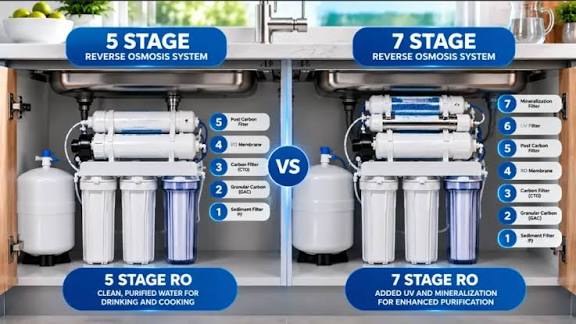
Modern reverse osmosis filtration options provide homeowners with targeted drinking water treatment designed to reduce selected dissolved contaminants through a semipermeable membrane.
Water pressure pushes water through the membrane, separating treated water from a concentrated reject stream. Additional stages commonly include sediment and carbon filtration.
Many residential systems fit conveniently beneath the kitchen sink, providing treated water through a dedicated faucet.
Treatment effectiveness depends on the particular system, incoming water quality, and operating conditions.
Before making a purchase, review the equipment’s independently verified contaminant reduction capabilities to ensure it addresses your actual concerns.
How Better Water Can Improve Your Favorite Beverages
Water is probably the most overlooked ingredient in the kitchen. Yet it makes up a considerable portion of your morning coffee, afternoon tea, and homemade lemonade.
Unwanted flavors in water can influence how these beverages taste.
Suitable filtration may help create a more neutral flavor, allowing your ingredients to stand out rather than compete with an unpleasant aftertaste.
Personal preference plays a role, of course. Some people enjoy water with a noticeable mineral character, while others prefer the lighter taste associated with reverse osmosis.
Even something as simple as making ice cubes with appropriately treated water may improve the enjoyment of your favorite cold drinks.
It’s one of those little kitchen upgrades that can become surprisingly useful.
Reducing Your Dependence on Bottled Water
Buying bottled water occasionally is convenient. Relying on it every day, however, becomes a different story.
Heavy packages need carrying home, bottles occupy valuable storage space, and empty containers require disposal.
A suitable home filtration system may provide a practical alternative when the treated water meets your drinking water requirements.
Imagine filling your reusable bottle before heading out for an afternoon exploring Idaho’s outdoor spaces without making an additional stop at the grocery store.
There’s genuine convenience in that.
Reverse osmosis systems do generate reject water, though, so comparing water efficiency and operating costs is worthwhile when evaluating different models.
Choosing Equipment and Keeping It Working Properly
Before investing in drinking water treatment, consider your water source, laboratory testing results, available installation space, and daily consumption.
Municipal water customers can review supplier water quality reports, while private well owners should arrange appropriate laboratory analysis.
Maintenance deserves equal attention. Sediment cartridges gradually accumulate debris, carbon filters lose treatment capacity, and reverse osmosis membranes eventually require replacement.
Following manufacturer recommendations helps preserve treatment performance and manage ongoing expenses.
Remember that pleasant-tasting, clear water doesn’t automatically establish drinking water safety. Appropriate testing remains important, particularly when addressing potentially harmful contaminants.
Making Every Glass of Water More Enjoyable
For homeowners across Boise, Meridian, Nampa, and surrounding Treasure Valley communities, improving drinking water quality doesn’t need to become a complicated household project.
Start by identifying your concerns, understanding your water supply, and choosing treatment equipment that genuinely addresses your needs.
Better water can make ordinary moments more enjoyable, whether you’re brewing coffee before work, preparing dinner, or enjoying a refreshing drink on a warm summer afternoon.
After all, drinking water shouldn’t be something you reluctantly tolerate. It should be something you can enjoy conveniently, right in the comfort of your own home.