Electricity is one of those things we rarely think about until something goes wrong. A light starts flickering while you’re cooking dinner, a breaker trips for the third time in a week, or an outlet suddenly stops working. These problems might seem minor at first, but electrical systems deserve attention before a small inconvenience turns into a serious safety concern.
A well-maintained electrical system keeps everyday life running smoothly. From powering kitchen appliances to charging phones and operating heating and cooling equipment, nearly everything in a modern home depends on reliable electricity. Knowing when to seek professional help, what warning signs to watch for, and how to maintain your system can make a real difference.
Recognizing Electrical Problems Before They Get Worse
Electrical faults don’t always announce themselves dramatically. Sometimes, the earliest warning is a faint buzzing sound near a switch or a burning smell that disappears after a few seconds. Other times, you may notice lights dimming whenever a large appliance starts running.
These symptoms shouldn’t be ignored. Warm outlets, discolored switch plates, frequently tripping circuit breakers, and sparks when plugging in an appliance can indicate wiring faults, overloaded circuits, or damaged components. Although some problems have simple explanations, identifying the actual cause requires care.
Repeatedly resetting a breaker without investigating why it trips isn’t a reliable solution. Circuit breakers are designed to interrupt power when they detect certain unsafe conditions. If the same breaker keeps switching off, something may be drawing too much current or there could be a fault in the circuit.
Homeowners should also pay attention to the age and condition of their electrical systems. Older wiring, deteriorating insulation, and outdated electrical panels may struggle to support modern household demands. An inspection can help identify concerns before they interfere with daily routines.
Why Professional Electrical Repairs Matter
It’s tempting to handle a faulty switch or loose outlet yourself, particularly when the repair appears straightforward. However, electrical work carries risks that aren’t always visible. Even when a circuit seems switched off, incorrect isolation or unexpected wiring conditions can expose someone to dangerous voltage.
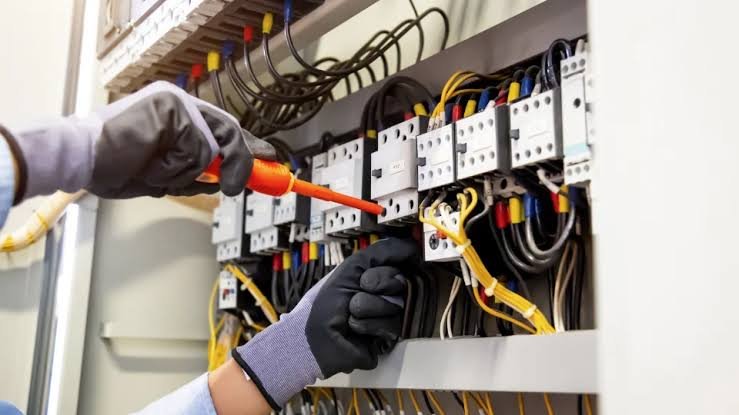
Professional electrical repair services help homeowners address faults using appropriate testing equipment, safe working procedures, and a clear understanding of electrical systems. A qualified electrician can investigate the source of a problem rather than simply treating its most obvious symptom.
For instance, a flickering light could be caused by a failing bulb, a loose connection, an incompatible dimmer, or a more significant wiring issue. Replacing the bulb may solve the problem, but persistent flickering calls for a closer look. Similarly, a dead outlet might result from a tripped protective device or damaged wiring elsewhere in the circuit.
Professional repairs are also valuable when installing or replacing outlets, switches, circuit breakers, lighting fixtures, and electrical panels. The work should meet applicable local codes and manufacturer requirements. Depending on the project and location, permits or inspections may be necessary.
Most importantly, proper repairs provide more than temporary convenience. They help restore dependable operation while reducing the risk of electrical shock, equipment damage, and fire.
Common Electrical Issues in Modern Homes
Households use more electrical equipment than ever before. Computers, entertainment systems, kitchen appliances, electric vehicle chargers, and heating and cooling equipment all place demands on a home’s electrical infrastructure.
Some electrical issues develop because the system was never designed for today’s level of consumption. Older circuits, for example, may become overloaded when several high-powered appliances operate simultaneously. A qualified electrician can assess the load and determine whether additional circuits or an electrical panel upgrade would be appropriate.
Other common concerns include damaged wiring, loose connections, malfunctioning outlets, faulty light switches, and outdoor electrical components exposed to moisture. Even a seemingly insignificant problem can become more complicated when it affects several parts of the system.
Surge protection is another consideration. Power fluctuations and electrical surges can damage sensitive electronics and appliances. Depending on the home’s needs, an electrician may recommend point-of-use protection, a whole-home surge protective device, or both.
Ground-fault circuit interrupters (GFCIs) and arc-fault circuit interrupters (AFCIs) also play important roles in electrical safety. GFCIs help protect against certain electric shock hazards, particularly in areas where water may be present. AFCIs are designed to detect certain dangerous arcing conditions that can contribute to electrical fires. The appropriate protection depends on the installation, local requirements, and circuit location.
Simple Habits That Support Electrical Safety
You don’t need to be an electrician to take better care of your home’s electrical system. A few sensible habits can help prevent avoidable problems.
Start by keeping outlets and electrical panels accessible. Avoid running cords beneath rugs, through doorways where they may become damaged, or across areas where people regularly walk. Extension cords should not be treated as permanent substitutes for properly installed outlets.
It’s also worth checking cords and plugs for visible damage. Frayed insulation, bent prongs, or scorch marks are reasons to stop using the affected equipment until it’s been safely assessed or replaced. Never ignore a burning odor or unusual heat around electrical components.
Pay attention to your home’s changing needs, too. Adding a home office, renovating a kitchen, installing outdoor lighting, or purchasing a large appliance may require a review of the existing electrical capacity. Planning ahead can prevent unnecessary disruption later.
Routine inspections are particularly useful in older properties, homes undergoing renovation, or buildings that have experienced recurring electrical faults. The right inspection schedule depends on the condition of the installation and applicable local recommendations.
Choosing an Electrician You Can Trust
Finding the right professional involves more than comparing prices. Look for an electrician who holds the required license or qualifications for your area, carries appropriate insurance where required, and can explain the proposed work clearly.
Ask what the inspection includes, whether replacement parts and labor are covered by a warranty, and whether permits or follow-up inspections may be needed. A dependable professional should be willing to discuss the likely cause of the fault, available repair options, and any limitations affecting the estimate.
Clear communication matters. You shouldn’t have to guess what you’re paying for or why a particular repair is necessary. Written estimates and itemized invoices can make it easier to understand the scope of work and compare service providers fairly.
Reviews and personal recommendations can also help, although they shouldn’t replace checking credentials. Be cautious of anyone who dismisses obvious safety concerns, recommends unnecessary work without explanation, or pressures you into making an immediate decision without a reasonable assessment.
Knowing When to Call for Help
Some electrical problems can wait for a scheduled appointment, but others require immediate attention. Burning smells, smoke, visible arcing, or outlets that become unusually hot should be treated seriously. If there’s smoke or an active fire, leave the affected area and contact emergency services. Don’t touch damaged equipment or attempt repairs while the system may be energized.
If you suspect an electrical hazard, keep people away from the area and contact a qualified professional. Never handle exposed wires or attempt to open electrical panels unless you’re appropriately trained and authorized to do so.
For less urgent concerns, such as a nonworking outlet or recurring light flicker, arranging an inspection promptly can prevent the problem from lingering. When contacting an electrician, describe the symptoms, when they began, and whether they affect one room or several areas of the property.
Once you’ve identified a suitable professional, schedule your service at a convenient time and explain any warning signs you’ve noticed. Providing these details can help the electrician prepare for the visit and determine what equipment or replacement components might be needed.
A Safer Home Starts With Attention to Detail
Electrical maintenance isn’t always exciting, and it’s easy to put off when everything appears to be working normally. Still, a little attention today can help prevent an inconvenient or potentially dangerous situation tomorrow.
Recognize warning signs, avoid risky do-it-yourself repairs, and seek qualified assistance when something doesn’t seem right. Whether you’re dealing with an unreliable outlet, planning a renovation, or checking an older electrical panel, professional guidance helps you make informed decisions.
A safe, dependable electrical system isn’t just about keeping the lights on. It’s about protecting your household, preserving valuable appliances, and having confidence that the systems you rely on every day are working as they should.