
Moving to a new home in Mumbai is one of those experiences that can be exciting and exhausting at almost the same time. You might be looking forward to a bigger apartment, a better neighborhood, a shorter commute or simply a change of surroundings. But before the fresh start comes the less glamorous part—sorting cupboards, packing boxes, arranging transportation and figuring out how a sofa that seemed reasonably sized suddenly looks enormous.
Mumbai adds its own challenges. Busy roads, limited parking, apartment rules, crowded lanes and unpredictable schedules can make moving day feel more complicated than expected. The good news is that relocation doesn’t need to become a complete headache. With some planning and the right support, you can make the process much more manageable.
Start Planning Earlier Than You Think
The biggest favor you can do for yourself is to avoid leaving everything until the final two days.
Begin with a basic moving checklist. Write down your expected moving date, packing schedule, utility changes, building permissions and any handover requirements. If you’re renting, check your agreement so there are no surprises when you’re ready to leave.
You don’t need an elaborate project plan. A simple note on your phone works perfectly well.
Try to divide the work across several days. Start with things you rarely use and gradually move toward everyday belongings. This approach feels slower at first, but it’s much less stressful than facing an entire home the night before the move.
Related reading: Understanding Well Water: Practical Ways to Improve Quality at Home
Decluttering Makes the Move Easier
Before you pack something, ask yourself a simple question: do I actually want this in my new home?
Moving has a funny way of revealing how much unnecessary stuff we collect. Old clothes, unused kitchen appliances, outdated paperwork, broken electronics and furniture that hasn’t been used for years can suddenly appear from every corner.
Separate your belongings into categories—keep, donate, sell, recycle and discard.
You don’t need to throw away things simply for the sake of being minimalist. Sentimental belongings matter. But if something has been sitting untouched for years and has no real purpose, moving it to another address may not make much sense.
Fewer belongings mean fewer cartons, less handling and a simpler unpacking process.
Choosing a Moving Company Carefully
There are many relocation providers in Mumbai, and comparing them can feel like a job on its own. A polished website or attractive advertisement doesn’t necessarily tell you how the company will perform on moving day.
Related reading: The Small Water Filtration Components That Make a Big Difference at Home
When researching Packers and Movers Mumbai, pay attention to the actual services offered. Ask whether packing materials, loading, transportation, unloading and furniture dismantling are included.
If you own delicate furniture, expensive electronics or fragile decorative items, ask how these belongings will be protected.
The company’s willingness to answer straightforward questions is important. You want clear information before handing over your possessions, not vague explanations after the truck has arrived.
Compare Quotations Beyond the Final Number
Getting two or three quotations is usually a sensible move. But don’t automatically choose the lowest one.
A cheaper quote may exclude certain services that another company includes. You could later discover additional charges for packing materials, extra floors, long carrying distances, waiting time or furniture assembly.
Read the quotation carefully and ask for clarification where necessary.
Confirm the pickup and delivery addresses, expected timeline, services included and payment terms. If additional charges are possible, ask what could trigger them.
A detailed quotation may initially look less attractive than a simple low number, but transparency can save you considerable trouble later.
Pack According to What You’re Moving
Good packing is not about filling a box as quickly as possible. It’s about keeping belongings stable and protected.
Heavy objects such as books, tools and kitchen utensils are usually easier to handle in smaller boxes. Clothes, cushions and bedding can go into larger cartons without becoming excessively heavy.
Fragile belongings need cushioning on all sides. Don’t leave empty spaces where glasses or decorative items can move around during transportation.
If you still have original packaging for electronics, consider using it. Those boxes were designed with transportation in mind.
Label cartons clearly on multiple sides. Include the room name and, if useful, a short description. “Kitchen – daily items” is much more helpful than a mysterious box with no label.
Related reading: A Practical Guide to Complaints and Customer Support
Mumbai Traffic Should Be Part of the Plan
Traffic is an unavoidable part of moving around Mumbai. Even if your new home isn’t far away, the actual journey may take much longer than expected.
When choosing a moving time, allow some flexibility. Don’t schedule an important appointment immediately after the expected delivery time.
Give the moving company accurate information about both locations. If your building is on a narrow road or parking is difficult, mention it beforehand.
This information can help the team plan the vehicle and loading process more effectively.
Apartment Rules Can Affect Moving Day
If you’re moving into or out of an apartment complex, speak with the building management in advance.
Some societies have specific moving hours. Others may require permission for a moving vehicle or reserve the service elevator for certain time slots.
Ask about these rules before the moving date.
It’s also worth checking whether large furniture can fit through the elevator and doorways. A sofa may fit beautifully in your living room but create a problem when the movers try to get it through a narrow passage.
These details aren’t particularly exciting, but they can make a surprisingly big difference.
Protect Important and Valuable Belongings
Not everything needs to be handed over to the moving team.
Keep passports, jewellery, cash, property documents, medicines, laptops and other irreplaceable items with you whenever possible.
Take photographs of expensive furniture and electronics before they are packed. This gives you a basic record of their condition.
Ask about transit insurance or damage protection as well. Understand what is covered and what isn’t, including any exclusions and claim procedures.
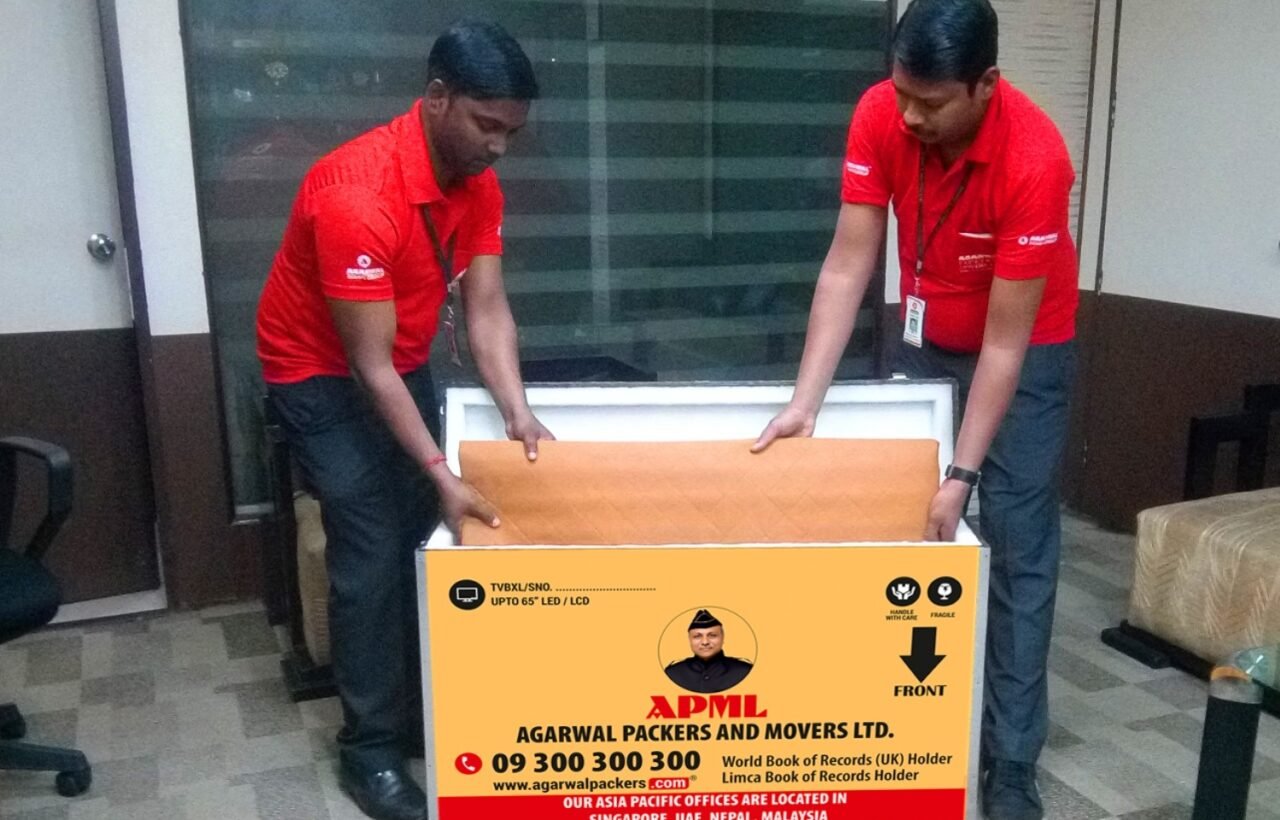
For anyone considering Agarwal Packers and Movers Mumbai, it’s still wise to verify the specific services, quotation and terms for your individual relocation. Familiarity with a company name shouldn’t replace checking the details.
Keep an Essentials Bag With You
A separate essentials bag can make your first evening in the new home much easier.
Pack toiletries, a change of clothes, medicines, chargers, snacks, water and important documents. Keep these items with you rather than inside a moving carton.
Families with children should include their basic necessities, while pet owners should keep food, water and other animal-care supplies accessible.
You may think you’ll unpack everything immediately. Then the moving truck arrives late, you’re tired, and suddenly finding a toothbrush feels like a major project.
An essentials bag avoids that little problem.
Prepare the New Home Before the Truck Arrives
If possible, make sure the new property is ready before your belongings arrive.
Check electricity, water, basic fittings and access arrangements. A quick cleaning of empty rooms is much easier before furniture and boxes occupy the space.
Think about where large furniture should go as well. You don’t need a perfect interior design plan. Just knowing where the bed, sofa, dining table and major appliances should be placed can help the movers work efficiently.
Related reading: Getting Your Water System Right the First Time (and Why It Matters More Than You Think)
It also saves you from repeatedly shifting heavy furniture after delivery.
Inspect Your Belongings Carefully
Once everything arrives, don’t rush straight into unpacking.
Check valuable furniture, electronics, appliances and fragile items first. If you notice damage, photograph it and contact the moving company according to the agreed process.
Keep your quotation, payment records and other relevant documents until the move is fully completed.
A simple inventory of major belongings can be useful. You don’t need to list every household item, but expensive or important possessions should be easy to identify.
Give Yourself Time to Settle
There’s no prize for unpacking the entire house in one day.
Start with the bedroom, bathroom and kitchen. Once you can sleep comfortably, shower and prepare something to eat, the pressure usually drops.
Then work through the remaining rooms at your own pace.
Some boxes may remain unopened for a few days. That’s perfectly normal. A home isn’t created simply because every carton is empty. It starts feeling like home when your daily routines begin to return.
You’ll discover the nearest shop, learn the quickest route, figure out where the morning light comes in and eventually stop thinking about the fact that you just moved.
Related reading: A Practical Guide to Building Your Business’s Online Visibility
A Better Move Comes Down to Preparation
Moving in Mumbai may never be completely predictable. Traffic happens. Building rules change. A lift may be occupied. A box may end up in the wrong room.
That’s life.
What you can control is your preparation. Start early, declutter before packing, compare moving companies carefully and understand exactly what you’re paying for. Discuss apartment access in advance, protect valuable belongings and keep important items with you.
Most importantly, don’t let the lowest quotation make the decision for you. Reliability, communication and careful handling can be far more valuable than saving a small amount upfront.
Eventually, the cartons disappear, furniture finds its place and the unfamiliar rooms start becoming familiar. The move becomes a memory, and the new address becomes home.
That’s when you realize the real purpose of relocation was never just to move your belongings. It was to make space for the next chapter.