
Buying bottled water seems convenient until you’re carrying another heavy pack through the front door, wondering where you’re going to store it. Filter pitchers offer an alternative, but constantly refilling them can become tedious, especially in a busy household. Wouldn’t it be easier to have appropriately treated drinking water available whenever you need it?
That’s one reason homeowners are considering reverse osmosis water filter systems as a long-term approach to addressing specific drinking water quality concerns and reducing their dependence on bottled water.
These systems offer more specialized treatment than many conventional filters. However, understanding their capabilities, limitations, and maintenance requirements is important before making an investment.
After all, better drinking water should simplify your life, not introduce another complicated household responsibility.
How Reverse Osmosis Goes Beyond Ordinary Water Filtration
Most people are familiar with basic water filters. They capture certain particles or help improve unpleasant tastes and odors, depending on the filtration material.
Reverse osmosis, commonly called RO, works somewhat differently.
The process uses water pressure to move water through a semipermeable membrane that separates treated water from a concentrated stream containing rejected substances.
Depending on the system’s verified capabilities, reverse osmosis can reduce various dissolved minerals, salts, certain metals, and other contaminants.
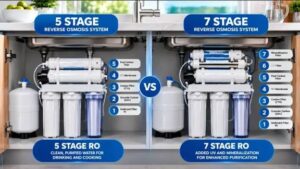
Residential units typically include additional filtration stages, such as sediment and activated carbon filters, which help protect the membrane and improve overall treatment performance.
The different stages work together, each performing a particular task.
It’s worth remembering, though, that advanced filtration doesn’t automatically guarantee the removal of every possible contaminant.
Why Treating Water Where You Drink It Is Often More Practical
Consider how much water your household uses for showering, laundry, cleaning, and gardening. Only a portion of that water is actually consumed or used for cooking.
Investing in point-of-use drinking water treatment allows homeowners to concentrate specialized filtration on water used for beverages and meal preparation rather than treating the entire household supply.
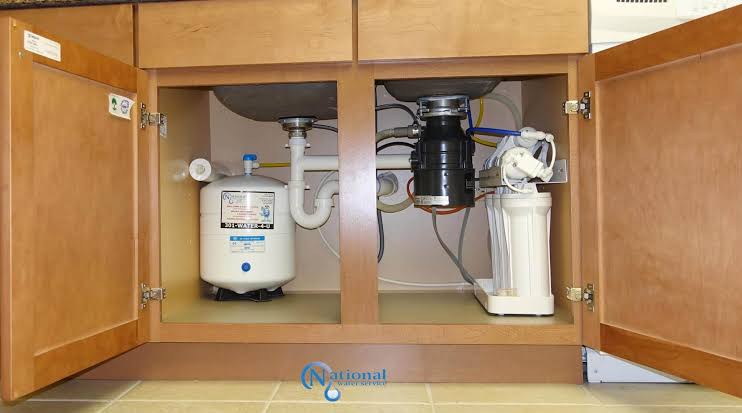
An under-sink reverse osmosis unit, for instance, can deliver treated water through a separate kitchen faucet without requiring substantial changes throughout the property.
This arrangement is particularly appealing to families who are generally satisfied with their household water but want to address specific drinking water concerns.
It also makes maintenance more straightforward because treatment equipment is concentrated in one accessible location.
Sometimes, a targeted improvement makes considerably more sense than an extensive household upgrade.
Exploring Different Types of Reverse Osmosis Equipment
Not all RO systems are designed the same way. Some include storage tanks, while others produce treated water on demand. Additional filtration stages and remineralization features may also be available.
When comparing reverse osmosis filtration options, focus on verified contaminant reduction performance, water efficiency, production capacity, installation requirements, and ongoing maintenance expenses.
Traditional tank-based systems store treated water until it’s needed. This can be convenient when several family members require drinking water within a short period.
Tankless models typically occupy less space and produce water as required, although many need an electrical connection.
Certain models also incorporate remineralization cartridges, which adjust the mineral content and taste of treated water.
Rather than assuming that more filtration stages automatically mean better results, consider what each component contributes to your household’s specific requirements.
Understanding Your Incoming Water Quality
Before purchasing any filtration equipment, take some time to understand your existing water supply.
Municipal water quality reports can provide useful background information, while appropriate laboratory testing may identify concerns associated with private wells or household plumbing.
Perhaps you’re dealing primarily with an unpleasant taste. Alternatively, testing might reveal specific dissolved contaminants that require more specialized treatment.
These situations don’t necessarily call for identical filtration arrangements.
Private well owners should pay particular attention to microbial contamination and other locally relevant water quality concerns.
A reverse osmosis unit shouldn’t automatically be considered a complete solution for unsafe source water.
Choosing treatment equipment based on reliable information helps avoid unnecessary expenses and unrealistic expectations.
Can Filtered Water Make Everyday Meals More Enjoyable?
Water plays a surprisingly important role in the kitchen.
Think about your morning coffee, homemade soup, or the tea you enjoy after a long working day. Water composition can influence the taste of these familiar favorites.
Appropriate filtration may help improve flavor by reducing certain substances responsible for undesirable tastes and odors.
However, RO-treated water can taste different because the process also reduces dissolved minerals. Some people enjoy that relatively neutral taste, while others prefer water with more mineral content.
It’s largely a matter of personal preference.
Having treated water readily available may also encourage household members to refill reusable bottles instead of regularly purchasing packaged drinking water.
Looking Beyond the Initial Purchase Price
A reverse osmosis system is an ongoing household investment.
Replacement cartridges, membrane servicing, water consumption, and potential electricity requirements all contribute to ownership costs.
Reverse osmosis also produces a reject stream containing concentrated substances. Water efficiency varies according to system design and operating conditions.
Ask about expected filter replacement intervals, component availability, and water recovery efficiency before purchasing equipment.
Follow manufacturer maintenance recommendations and arrange periodic testing when treatment addresses potentially harmful contaminants.
A well-maintained, appropriately selected system is more valuable than expensive equipment that becomes inconvenient to operate.
Making Better Drinking Water an Everyday Convenience
Choosing residential reverse osmosis equipment doesn’t have to be overwhelming.
Understand your water quality, identify your priorities, and select a system with demonstrated performance that fits comfortably into your kitchen and household routine.
The benefits of thoughtful water treatment often appear in ordinary moments. Preparing breakfast, filling a reusable water bottle, or enjoying a favorite evening beverage becomes just a little more convenient.
And when something as essential as drinking water becomes easier to manage, that’s a home improvement worth appreciating.