Open the refrigerator in many households, and you’ll probably find several bottles of drinking water taking up valuable space. For some families, buying bottled water has become a habit simply because they don’t particularly enjoy the taste of their tap water. It’s convenient enough until the bottles run out or another grocery trip becomes necessary.
Investing in multi-stage reverse osmosis filtration offers homeowners an alternative by combining specialized treatment processes that can reduce various unwanted substances in drinking water.
For Burton families looking to improve their kitchen water supply, reverse osmosis can be a practical consideration. The important thing is understanding how the equipment works, what it requires, and whether its benefits match your household’s expectations.
Why Multiple Filtration Stages Make a Difference
Water can contain several different substances, ranging from suspended particles to dissolved minerals. Expecting a single ordinary filter to address everything isn’t particularly realistic.
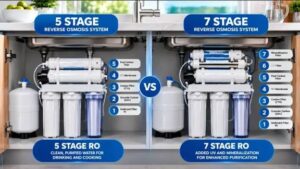
Reverse osmosis systems typically incorporate several treatment stages, each performing a specific function.
A sediment filter captures physical particles, while activated carbon helps reduce certain unwanted tastes, odors, and substances that may affect membrane performance.
The reverse osmosis membrane then uses water pressure to separate water from many dissolved substances.
A final polishing filter may help refine the taste before treated water reaches the faucet.
It’s a coordinated process, with different components supporting one another. However, having more filtration stages doesn’t automatically mean better performance.
What matters is whether those stages address the particular characteristics of your incoming water.
Making Room for Better Water in Your Kitchen
Nobody wants a kitchen crowded with unnecessary appliances. Between the toaster, coffee maker, and everyday cooking essentials, countertop space can disappear surprisingly quickly.
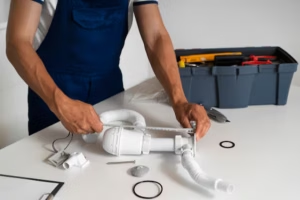
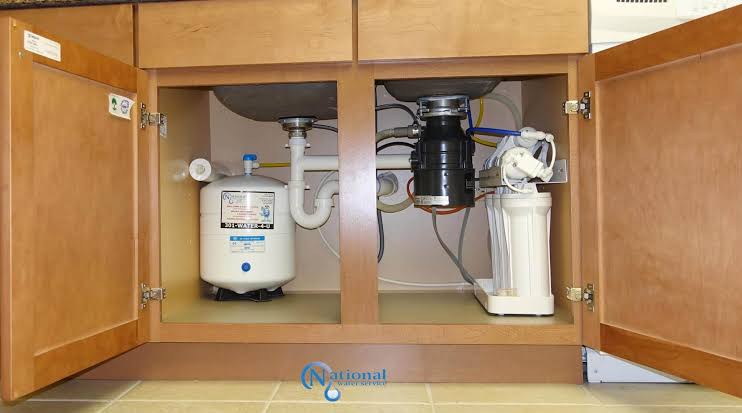
Professional under-sink reverse osmosis installation allows homeowners to position filtration equipment inside the kitchen cabinet, providing convenient access to treated water without sacrificing much visible space.
Traditional systems generally incorporate a storage tank, while tankless models produce treated water on demand.
Before installation, it’s important to consider available cabinet space, incoming water pressure, drainage connections, and maintenance accessibility.
A qualified installer can help determine which configuration suits your kitchen layout and household consumption.
It’s also worth asking how replacement filters are accessed. You don’t want routine maintenance to involve emptying the entire cabinet every few months.
The Everyday Pleasure of Better-Tasting Water
There’s something wonderfully simple about enjoying a refreshing glass of water after a long afternoon.
For many homeowners, improved drinking water taste is among the most appealing reasons to consider specialized kitchen filtration, particularly when unwanted mineral flavors or disinfectant-related tastes make ordinary tap water less enjoyable.
Appropriate treatment may also influence the flavor of certain foods and beverages prepared at home.
Think about freshly brewed tea, homemade soup, or the first cup of coffee on a quiet Sunday morning.
Water plays an important role in all these experiences, even though it rarely receives much attention.
Of course, taste is personal. Some people prefer water containing a particular mineral balance, which explains why certain systems incorporate remineralization stages.
Finding water that suits your preferences is part of the experience.
Understanding What Reverse Osmosis Can and Cannot Do
Reverse osmosis can reduce various dissolved salts, nitrates, certain metals, and other targeted substances, depending on the equipment’s independently verified performance.
However, it shouldn’t automatically be considered a complete solution for every water quality concern.
Incoming water conditions, membrane integrity, pressure, and maintenance all influence treatment effectiveness.
Homeowners relying on private wells may require additional treatment to address microbial risks or excessive sediment.
Appropriate water testing helps identify these considerations before equipment is purchased.
Remember that better-tasting water isn’t necessarily proof that it’s safe to drink.
Understanding both the advantages and limitations of reverse osmosis helps homeowners make informed decisions without relying exclusively on advertising claims.
Could Home Filtration Reduce Your Bottled Water Expenses?
Buying a few bottles of water here and there might not seem expensive. But when an entire household depends on packaged water every day, the costs can gradually become significant.
Having appropriately treated water available at home may reduce the need for frequent bottled water purchases.
There’s also the convenience of filling reusable bottles before work, school, or weekend outings.
However, filtration equipment has its own operating expenses. Replacement cartridges, membrane servicing, and water consumption should all be considered.
Reverse osmosis produces a concentrated reject water stream, making equipment efficiency another important factor.
Comparing these costs with your existing spending habits can help determine whether installing a system makes financial sense for your family.
Keeping Your Filtration System in Good Working Condition
Once treatment equipment is tucked beneath the kitchen sink, it’s easy to forget that it’s there.
Nevertheless, preliminary filters need periodic replacement, membranes eventually lose performance, and certain components may require sanitization.
Follow manufacturer maintenance recommendations and maintain a record of servicing dates.
Unexpected changes in water flow or taste should be investigated. Appropriate follow-up testing is particularly important when filtration addresses potentially harmful contaminants.
Before purchasing equipment, ask about replacement component availability and professional servicing options.
A little routine attention can go a long way toward maintaining dependable treatment performance.
Making Better Water Part of Your Everyday Routine
For Burton homeowners, improving drinking water begins with reliable testing and thoughtful equipment selection.
A properly installed and maintained reverse osmosis system can provide a convenient way to address specific water quality concerns without cluttering the kitchen.
Ultimately, better water isn’t about making everyday life more complicated. It’s about enjoying simple comforts, preparing delicious meals, and filling your glass whenever you feel thirsty.
And sometimes, having water you genuinely enjoy right at your kitchen sink is an improvement that feels well worth making.