
You know that feeling when you wash your hands at a nice hotel or shower at a friend’s house and think, Why does their water feel so much better than mine? It’s subtle. Silky. Almost slippery. But in a good way.
That’s not your imagination. That’s soft water.
Most of us live with hard water and don’t even realize it. We’ve learned to put up with cloudy glasses, itchy skin, and stiff laundry because we think, “Eh, that’s just how it is.” But what if it didn’t have to be?
Let’s talk about the quiet magic of soft water—the stuff you don’t always see, but absolutely feel. And while we’re at it, we’ll dig into how to make the switch without diving into a plumbing rabbit hole. Spoiler: it’s easier than you think.
What Makes Water “Soft” Anyway?
Hard water is loaded with minerals like calcium and magnesium. Totally natural, but also kind of a nuisance. These minerals are what cause the chalky residue on your shower walls, the streaks on your dishes, and the stiff, scratchy towels that feel like sandpaper after a few washes.
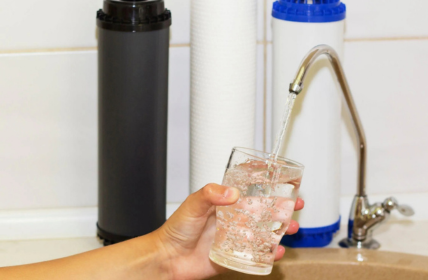
Soft water, on the other hand, is free from that mineral overload. When those excess minerals are removed, everything works a little better—your appliances, your skin, your laundry. And the difference? It’s not dramatic at first… until it is.
You step out of the shower one day and realize your skin doesn’t need half a bottle of lotion to feel normal. That’s the soft water feel—smooth, clean, and oddly satisfying.
It’s Not Just Your Skin—Your Laundry’s Been Struggling Too
Let’s talk about clothes for a second.
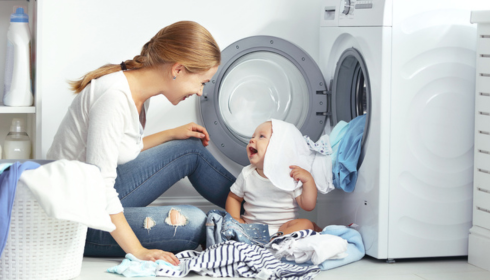
You know how your dark jeans start looking dull? Or your white shirts slowly turn a faint yellowish-gray even though you swear you’re using bleach? That’s often hard water at play. The minerals in hard water mess with detergent, making it less effective and leaving behind residue that settles into your fabrics.
Switch to soft water and suddenly, everything brightens. Colors pop again. Whites stay white. Towels feel, well, like towels—not cardboard.
It’s what people mean when they talk about better laundry performance. It’s not about buying fancy detergent. It’s about giving your water the ability to actually clean the way it’s supposed to.
Why You Shouldn’t DIY Everything (And That’s Okay)
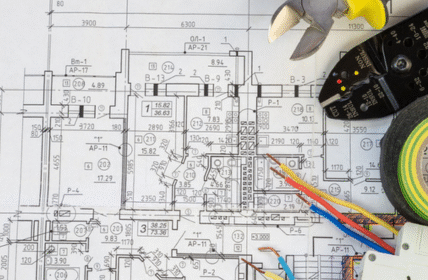
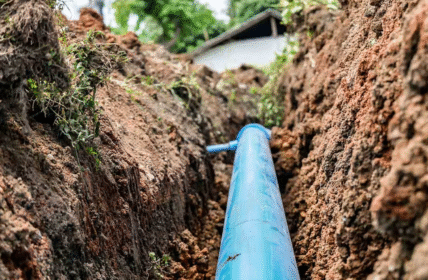
Here’s where a lot of homeowners stumble. They buy the water softener system, get excited, maybe even read a few how-to blogs… and then realize they’re knee-deep in fittings, copper pipes, and water pressure concerns.
Don’t get us wrong—DIY has its place. But your home’s water system? That’s worth calling in the pros.
Professional certified service technicians don’t just install systems—they fine-tune them for your specific water hardness, pressure, and plumbing layout. They’ll also walk you through how to check your salt levels, when to clean your brine tank, and what to do if something ever goes sideways.
It’s like having a personal water coach, minus the whistle and clipboard.
Trust us: your future self will thank you for avoiding leaks, weird noises, and the frustration of “Did I install this backwards?”
Everyday Perks You Didn’t See Coming
Okay, we’ve talked skin. We’ve talked laundry. But soft water does more than just make things feel nice.
- Your dishes come out of the dishwasher actually clean. No spots. No fog.
- You use less soap and shampoo. Like, a lot less.
- Your water heater runs more efficiently (and lasts longer).
- Faucets and showerheads stop crusting over.
- And your plumbing? Quietly thrives in a scale-free world.
It’s one of those improvements that touches every part of your day, even if you don’t notice it at first. Kind of like getting new tires—you don’t think about them until you hit a patch of road and realize, Oh wow, this is smooth.
Let’s Talk Cost (and Why It’s Not as Scary as You Think)
Sure, a water softening system isn’t pocket change. But let’s do some quick math.
Think about the money you spend on bottled water, detergent, fabric softener, scale remover, appliance repairs, and early replacements. Not to mention the extra gas or electricity your water heater burns trying to muscle through limescale buildup.
A softener doesn’t just add convenience—it saves money. Month after month. Year after year. And the best part? You feel the difference right away.
That clean rinse feeling. The way your clothes smell fresher. The lack of white film on your shower glass. These things matter. Especially when you didn’t realize they were bugging you until they stopped.
Final Pour: Make Peace with Your Pipes
You don’t have to live with hard water hassles. You don’t need to scrub lime off the faucet every weekend or wonder why your shampoo just isn’t doing its job. There’s a better way—and it starts with taking your water seriously.
That could mean bringing in certified service technicians to set things up the right way. Or investing in a system that helps you rediscover the soft water feel you never knew you were missing. Or maybe it’s finally giving your clothes the chance to shine with better laundry performance you can actually see and feel.