
There’s a quiet moment most of us have experienced. You fill a glass from the kitchen tap, lift it to your lips, and pause. Maybe it smells faintly like chlorine. Maybe it tastes a little metallic. It’s not alarming — just enough to make you notice.
Water is one of those everyday essentials we rarely think about until it feels “off.” And when it does, the experience is surprisingly personal. After all, this is what you drink, cook with, and use to make coffee every single morning.
The truth is, water quality isn’t only about safety standards and lab reports. It’s about how it feels in daily life. And that’s where thoughtful filtration and treatment begin to make sense.
The Subtle Power of Taste and Smell
Let’s start with the obvious: flavor. Municipal water systems are carefully regulated, but disinfectants like chlorine are commonly used to keep bacteria at bay. While effective, they can leave behind a distinct scent.
That’s why so many homeowners look for filtration options that focus on improved taste and odor. Carbon-based filters, for example, are particularly good at reducing chlorine’s presence, which often transforms the overall drinking experience.
It’s amazing how much difference this makes. Coffee tastes richer. Tea feels smoother. Even a simple glass of water becomes something you actually want to drink instead of tolerate.
And there’s a ripple effect. When water tastes better, people naturally drink more of it. Hydration improves without effort. Sometimes the smallest change produces the most noticeable habit shift.
Beyond Flavor: What’s Actually in Your Water?
Taste is only part of the equation. The bigger conversation often revolves around what you can’t see.
Water may carry trace levels of sediment, dissolved solids, or contaminants depending on its source. Municipal systems publish annual water quality reports, but those reports reflect the supply leaving the treatment plant — not necessarily what flows through aging pipes in individual homes.
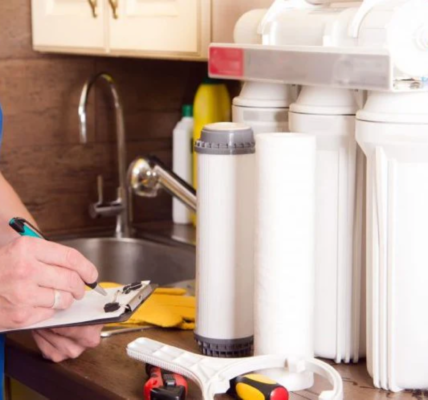
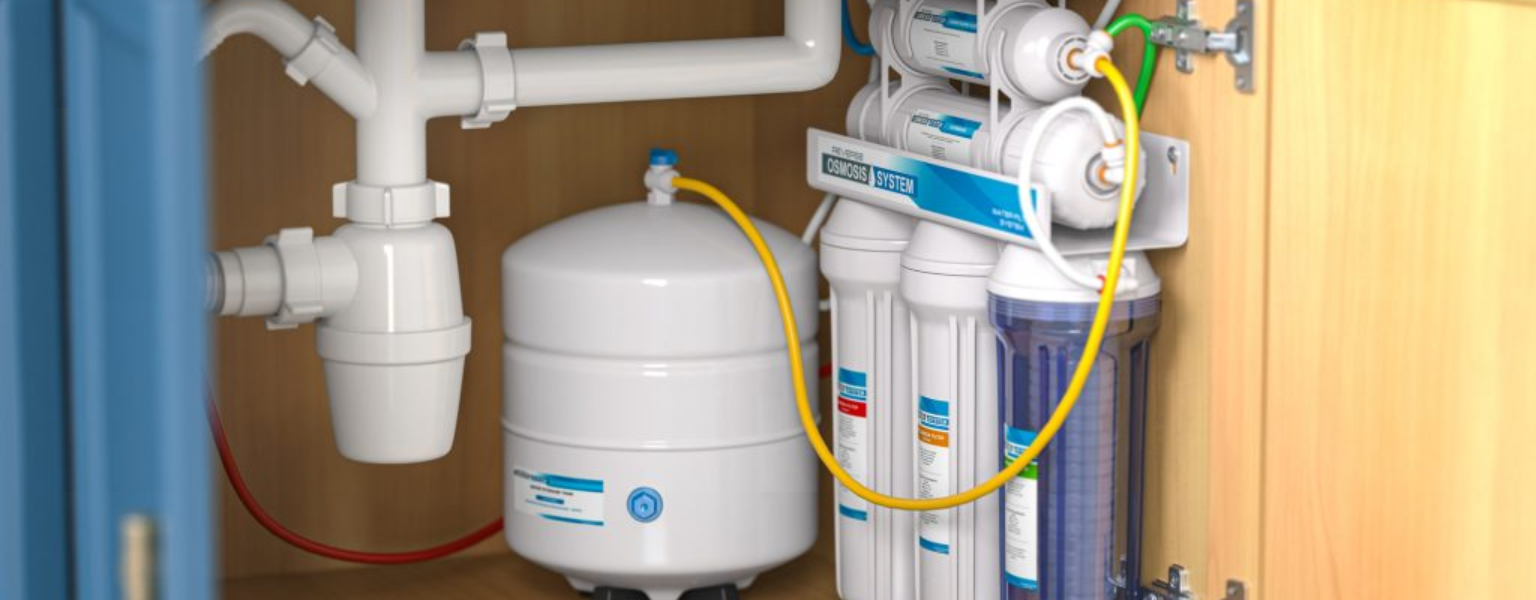
This is where systems designed for contaminant reduction come into play. Different technologies target different issues. Sediment filters remove particles like sand and rust. Reverse osmosis membranes handle dissolved solids. Activated carbon tackles chlorine and some organic compounds.
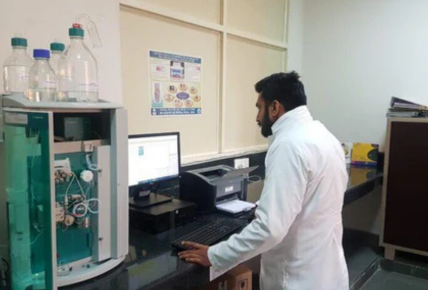
The key is matching the solution to the actual concern. Testing first eliminates guesswork and ensures you’re not installing equipment you don’t truly need.
Filtration isn’t about paranoia. It’s about precision.
Confidence at the Kitchen Sink
Perhaps the most overlooked benefit of water treatment is peace of mind. There’s something deeply reassuring about filling a glass and not second-guessing it.
Whether you’re preparing baby formula, cooking pasta, or simply grabbing a late-night drink, the goal is safe drinking water you can trust without hesitation.
For many households, that confidence matters more than any technical specification. It’s less about chasing perfection and more about knowing you’ve taken reasonable steps to improve what flows through your home.
Whole-Home Impact
While drinking water often gets the spotlight, quality improvements extend beyond the kitchen.
Filtered water can reduce scale buildup on fixtures, minimize residue on dishes, and even protect appliances from premature wear. Over time, sediment and mineral deposits can accumulate inside water heaters and washing machines, affecting efficiency.
Treating water at the entry point — or combining point-of-use filtration with broader systems — helps address these concerns.
It’s not glamorous, but it’s practical.
Maintenance: The Part No One Loves
Let’s be honest: no one gets excited about replacing filters. But maintenance is what keeps performance consistent.
Filters have limits. Carbon media becomes saturated. Sediment cartridges clog. Ignoring replacement schedules reduces effectiveness and can compromise the benefits you invested in.
The good news? Most systems follow predictable timelines. Setting reminders or choosing systems with indicator lights makes upkeep manageable.
Consistency beats complexity.
Is Filtration Necessary for Everyone?
Not necessarily.
Many municipal water supplies already meet strict safety standards. For some households, simple carbon filtration to address taste may be sufficient. For others — particularly those on private wells or dealing with specific contaminants — more advanced systems may be appropriate.
The decision comes down to your water profile, your preferences, and your priorities.
Testing first provides clarity. It ensures your investment aligns with real needs rather than assumptions.
A Balanced Perspective
Water treatment doesn’t need to feel dramatic or extreme. It’s not about fearing what’s in your pipes. It’s about refining what’s already there.
When taste improves, when clarity increases, when confidence grows — those are meaningful changes, even if they’re subtle.
Water is foundational. It runs through your routines quietly and consistently. Improving it isn’t about chasing the newest gadget. It’s about creating a home environment where something as simple as a glass of water feels right.
And sometimes, that quiet improvement makes all the difference.