

You know that little jolt of hesitation you get when you fill a glass of water and it looks a bit… off? Maybe it’s not completely clear. Maybe it swirls a bit before settling. Maybe you give it a sniff—just in case. We’ve all been there. That uneasy moment when something doesn’t look quite right with the very thing you’re supposed to trust the most: your water.
Truth is, your water can be trying to tell you something. And if it’s cloudy, you’d be wise to listen.
The Murky Mystery of Cloudy Water
Now, let’s be honest—cloudy water is more common than most people think. It often shows up when you haven’t run the tap in a while, or after maintenance in your neighborhood pipes. Sometimes it clears on its own after a few seconds. But sometimes… it doesn’t.
And when it doesn’t, it might be more than trapped air bubbles. It might be signaling deeper issues—anything from excessive minerals to plumbing corrosion, or even microbial contamination.
Think of cloudy water as nature’s version of a warning light. It’s not always dangerous, but it should never be ignored.
When Dirt Follows You Indoors
It’s not always just murkiness that makes your water look suspicious. Ever noticed tiny specks floating around in the glass? That gritty stuff at the bottom of your kettle? That’s likely sediment—and it’s not supposed to be there.
Sediment can be harmless or hazardous, depending on what it actually is. It might just be harmless silt or sand stirred up in your well. Or it could be rust flakes from old pipes, bits of corroded metal, or even trace amounts of lead or other contaminants hitching a ride.
Over time, that grit can do more than make your water unappealing. It can clog fixtures, wear down appliances, and—most importantly—hide far worse substances lurking beneath the surface.
The Silent Threat: Arsenic
If cloudy water is a warning light, and sediment is a red flag, then arsenic in water is the invisible threat you really don’t want to ignore.
Arsenic isn’t something you can smell, taste, or see. But it’s incredibly toxic. And while it’s naturally occurring in certain regions—particularly in well water—it’s also found near mining operations or industrial runoff zones.
Long-term exposure to arsenic in water has been tied to serious health issues: skin lesions, organ damage, developmental effects in children, and even cancer. And because it’s undetectable without proper testing, many people drink it daily without ever realizing what’s happening to their health.
It’s a sobering reminder that just because your water looks okay doesn’t mean it is.
Don’t Wait for a Crisis
Here’s the problem: most folks don’t think much about their water quality until something goes wrong. A child gets sick. Appliances start breaking. Someone notices an odd taste. That’s when the frantic Googling begins, followed by emergency plumber calls, and a dash to buy filters off Amazon that may or may not solve the actual issue.
But by that point, the damage may already be done.
Water problems are subtle, creeping things. They’re not like a burst pipe or a flickering light you can’t ignore. They show up slow. Quiet. And usually when you’re not paying attention.
So, What Should You Do?
Let’s get practical. If you’re dealing with cloudiness, sediment, or just don’t trust your tap, here are a few steps to help you take control:
- Start with a Simple Water Test
Basic at-home kits can test for turbidity, pH, hardness, and some metals. They’re not perfect, but they’ll give you a clue. - Go Deeper with Lab Testing
For peace of mind—or if you’re on a private well—get a full-spectrum lab test. They can check for arsenic, bacteria, nitrates, and other invisible risks. - Check Your Plumbing
Sometimes the problem isn’t your water source—it’s your pipes. Old galvanized steel, corroded copper, or neglected filters can all contribute to poor water quality. - Install the Right Filtration System
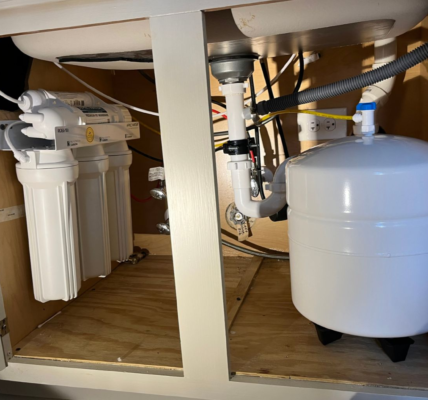
Whether it’s a whole-house sediment filter, an under-sink reverse osmosis unit, or a specialty filter for arsenic, tailor the solution to your specific problem—not just what’s trending online. - Stay Informed
Check your municipality’s water quality reports. If you’re on well water, test it at least once a year—more if there’s heavy rain, construction nearby, or you notice any changes in taste or appearance.
The Peace of Clean Water
There’s something profoundly reassuring about taking a sip of water and knowing it’s clean. Not guessing. Not hoping. Knowing. It’s the kind of everyday confidence that doesn’t shout—it just quietly makes life better.
And the beauty is, this peace of mind isn’t some luxury. It’s a right. But like many rights, it takes awareness and action to protect it.
So next time your water looks a little off, don’t just shrug and drink it anyway. Let that cloudiness be your call to investigate. The small discomfort of checking today could save you from much bigger troubles tomorrow.