
Most homeowners don’t really think about water beyond whether it’s hot enough for a shower or strong enough to rinse dishes. It’s just… there. Reliable, predictable, and honestly kind of taken for granted.
But behind the scenes, water quality plays a surprisingly big role in how well a home functions. It influences everything from energy bills to plumbing performance to how long appliances last. And when water isn’t ideal—particularly when it’s hard—it can slowly wear down systems in ways that feel almost invisible at first.
That’s the tricky part. The damage doesn’t happen all at once. It creeps in quietly, day after day, through routine activities like doing laundry, washing dishes, or simply turning on the faucet.
When Everyday Water Isn’t Really “Neutral”
Hard water contains naturally dissolved minerals, mostly calcium and magnesium. These minerals aren’t harmful to drink, but they behave differently inside plumbing systems and appliances.
Each time water flows through pipes or heats inside an appliance, tiny mineral particles get left behind. Over time, those particles begin sticking together, forming chalky deposits on interior surfaces.
It’s subtle in the beginning. A faint white film around faucets. A cloudy appearance on glassware. Maybe soap doesn’t lather quite as easily as it used to.
But the real changes are happening out of sight.
The Hidden Stress Inside Appliances
Most modern appliances are designed with water efficiency in mind. They rely on clean internal surfaces and unobstructed flow to perform properly.
When minerals start accumulating, they create insulation layers around heating elements, block tiny passageways, and force components to work harder than they were meant to.
This stress gradually shortens the appliance lifespan, often without homeowners realizing why.
Water heaters may take longer to warm up. Dishwashers might require multiple cycles to clean effectively. Washing machines can develop internal residue that affects performance.
These aren’t sudden failures—they’re slow declines.
Why Heating Systems Feel the Impact First
Among all household appliances, water heaters tend to suffer the earliest and most noticeable effects of mineral accumulation.
When hard water is heated, minerals separate more rapidly and settle at the bottom of tanks or attach directly to heating elements. Over time, this creates a thick insulating layer that reduces heat transfer efficiency.
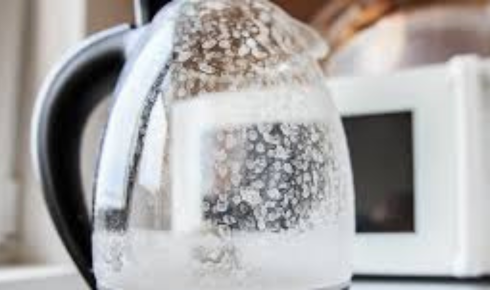
As a result, the heater consumes more energy just to maintain the same temperature output. It’s like trying to boil water in a kettle coated with chalk.
Eventually, the system becomes strained enough that repairs or replacement become unavoidable.
The Silent Spread Through Plumbing
Mineral deposits don’t stay confined to one appliance. They gradually affect the entire plumbing network.
Inside pipes, layers of mineral residue build up along interior walls, narrowing the available space for water flow. This process is often described as scale buildup, and it can take years before symptoms become obvious.
At first, water pressure changes slightly. Faucets might feel weaker, or filling a sink may take a bit longer. Over time, though, the reduced flow can strain pumps, valves, and fixtures throughout the home.
What began as a minor inconvenience eventually turns into a systemic issue.
Everyday Signs You Might Notice
Even without inspecting pipes or appliances, hard water often leaves clues around the house.
Soap scum forming quickly on shower walls. White crust on coffee makers. Laundry that feels stiff despite using fabric softener. Spots on dishes that refuse to disappear.
These signs may seem cosmetic, but they’re actually evidence of ongoing mineral accumulation within your home’s water system.
They’re like early warning lights—quiet, but important.
The Energy Connection Many People Miss
One of the most overlooked consequences of mineral buildup is its impact on energy consumption.
When appliances struggle against deposits, they must operate longer and use more power to perform basic tasks. Heating elements become less efficient. Pumps work harder. Motors experience additional strain.
Over time, this reduces overall water efficiency and increases monthly utility costs.
It’s not unusual for homeowners to notice rising energy bills without realizing that water quality is partly responsible.
Why This Problem Builds Gradually
Hard water damage is rarely dramatic. That’s what makes it easy to ignore.
Unlike a leaking pipe or a broken appliance, mineral accumulation happens incrementally. Each layer forms slowly, almost invisibly, until its effects compound into larger performance issues.
By the time homeowners notice significant changes, deposits may already be deeply embedded inside plumbing and equipment.
This slow progression is why proactive water management often proves more effective than reactive repairs.
The Long-Term Cost of Doing Nothing
Ignoring water hardness doesn’t just lead to inconvenience—it often leads to financial strain.
Frequent appliance repairs, shortened equipment lifespans, increased energy usage, and ongoing cleaning product expenses can add up significantly over time.
What feels like a minor nuisance can quietly evolve into one of the most expensive hidden household problems.
And because the damage spreads gradually, it’s easy to underestimate its true impact.
The Value of Paying Attention Early
Addressing water quality early can help preserve plumbing systems, extend appliance performance, and maintain household efficiency.
Even small improvements in water conditions can reduce mineral accumulation and slow the progression of internal deposits.
It’s not about eliminating every mineral—it’s about preventing them from building up to harmful levels.
When homeowners understand how water interacts with their infrastructure, they gain the ability to protect it more effectively.
A Quiet Factor That Shapes Everyday Comfort
Water is such a routine part of daily life that it rarely draws attention—until something feels off.
When appliances run smoothly, water pressure stays consistent, and cleaning tasks become easier, it’s often because water quality is working in your favor.
But when minerals begin interfering, those small changes gradually affect comfort, efficiency, and long-term costs.