
Most of us have a simple relationship with water. We turn on the tap, fill a glass, maybe take a sip without thinking twice. It’s one of those everyday experiences so ordinary that it rarely sparks curiosity. Water just works — until it doesn’t.
Sometimes it tastes slightly metallic. Other times it looks cloudy or carries a faint chemical smell. And when that happens, it can feel surprisingly unsettling. Water is deeply personal. It’s tied to health, comfort, and trust in ways we don’t fully notice until something feels off.
But behind the scenes, there’s an entire world of science and engineering dedicated to making sure that water stays safe, clear, and reliable.
Why Water Needs Treatment in the First Place
Water in nature isn’t naturally “clean” in the way we expect at home. As it travels through soil, rock, and pipes, it picks up minerals, microorganisms, and chemical compounds.
Some of these elements are harmless. Others can affect taste, clarity, or safety.
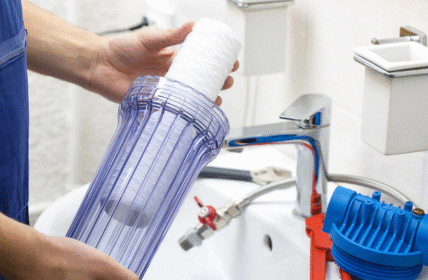
That’s why modern systems rely on specialized water purification equipment designed to remove impurities before water reaches households and businesses.
These systems can include filters, ultraviolet disinfection units, and advanced treatment technologies. Together, they form a layered approach to water safety — ensuring both visible cleanliness and microscopic purity.
Without this equipment, maintaining consistent water quality would be nearly impossible.
The Role of Chemistry in Clean Water
While filtration removes many physical particles, chemical processes also play a critical role in water treatment.
Many systems use controlled chemical treatment methods to eliminate harmful microorganisms, neutralize contaminants, and stabilize water chemistry.
Chlorination, for instance, is one of the most widely used treatment methods. It prevents bacterial growth during water distribution.
Other treatments adjust pH levels to reduce corrosion inside pipelines, protecting both water quality and infrastructure.
Though chemical treatment may sound complex, its goal is straightforward — ensuring water remains safe from source to tap.
How Modern Membrane Technology Works
One of the most fascinating developments in water treatment involves advanced filtration membranes.
These ultra-thin barriers are capable of removing particles so small they’re invisible to the human eye.
Systems using advanced membranes can filter dissolved salts, heavy metals, and microscopic contaminants with remarkable precision.
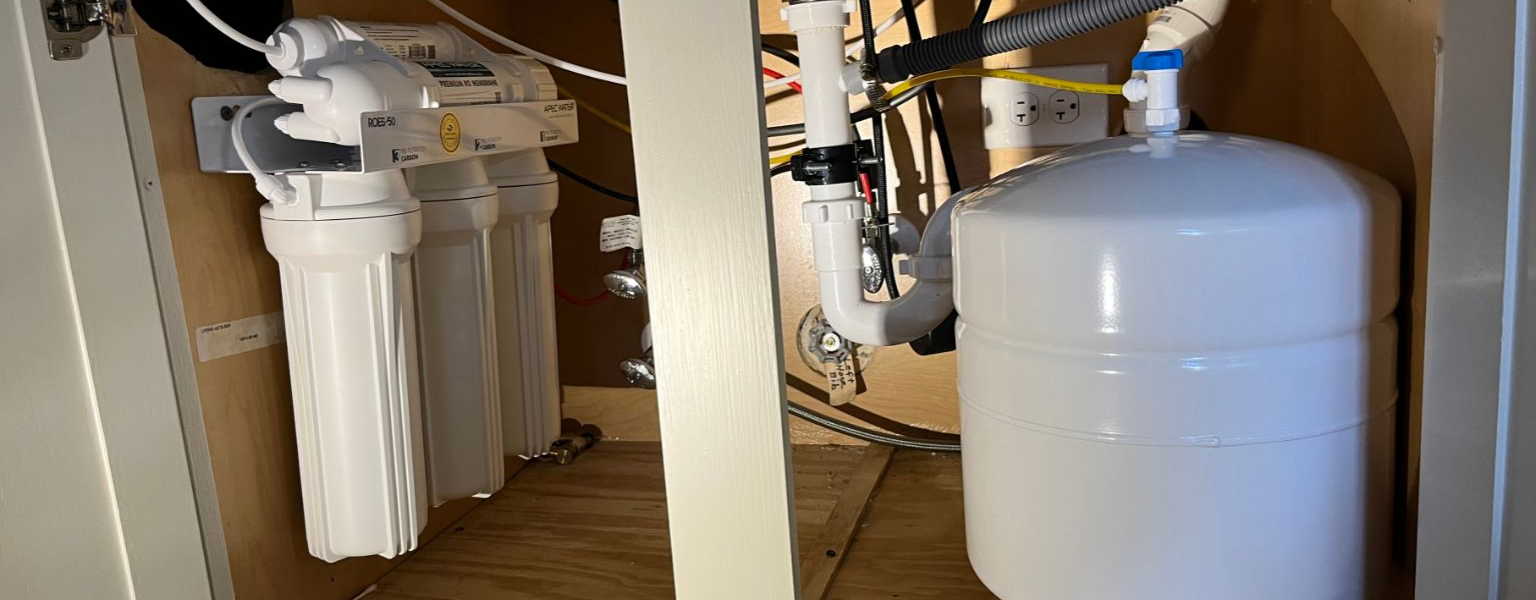
Reverse osmosis technology is one example of membrane-based purification. It pushes water through a semi-permeable layer, separating impurities at the molecular level.
This process produces exceptionally clean water suitable for drinking, medical use, and industrial applications.
Membrane technology represents a significant leap forward in ensuring water purity.
Why Multiple Treatment Steps Are Necessary
Water purification rarely relies on a single process. Instead, it involves a sequence of treatment stages designed to address different types of contaminants.
Sediment filters remove physical particles. Chemical treatments neutralize biological threats. Membranes eliminate dissolved impurities.
Each stage plays a unique role in achieving comprehensive water quality.
This multi-layered approach ensures that even subtle contaminants are addressed effectively.
It also provides redundancy — if one stage misses a particular impurity, another step can still remove it.
The Everyday Benefits of Advanced Water Treatment
Clean water does more than protect health. It improves everyday experiences in ways people often don’t anticipate.
Filtered water enhances cooking by preserving natural flavors. It prevents scale buildup inside appliances, improving efficiency and lifespan.
Clothes washed in treated water feel softer. Dishes dry without streaks.
These practical benefits accumulate over time, creating noticeable improvements in daily comfort.
Environmental Advantages of Modern Treatment Systems
Modern water purification technologies also support sustainability goals.
Efficient systems reduce chemical usage, minimize water waste, and enable recycling of treated water in industrial settings.
By improving water efficiency, these systems help conserve natural resources and reduce environmental impact.
Households that invest in effective purification systems often reduce reliance on bottled water, cutting down on plastic waste.
These environmental benefits make advanced treatment technologies increasingly important in today’s world.
Technology Is Making Water Systems Smarter
Advancements in digital technology have transformed water treatment processes.
Many modern systems include sensors that monitor water quality in real time. Automated controls adjust treatment levels based on changing conditions.
These innovations allow for precise, efficient water management while reducing energy consumption.
Smart systems can also provide maintenance alerts, ensuring consistent performance without constant oversight.
The Emotional Comfort of Clean Water
Beyond technical and environmental advantages, there’s a deeper emotional aspect to water purity.
Knowing that your water is consistently clean and safe creates a sense of reassurance that’s difficult to quantify.
It removes hesitation from everyday routines — whether drinking, cooking, or bathing.
This quiet confidence enhances overall quality of life.
A Foundation of Modern Living
Clean water is one of the most essential resources in modern society, yet it’s often taken for granted.
Behind every glass of water lies a complex network of technologies, scientific processes, and dedicated professionals working to ensure safety and reliability.
By understanding how purification systems function, we gain a deeper appreciation for the invisible infrastructure supporting daily life.
Because in the end, water isn’t just something we use — it’s something we depend on. And the science that keeps it clean is quietly shaping our well-being every single day.