Clearer Water at Home: Why the Smallest Filters Often Make the Biggest Difference

There’s a funny thing about water — we assume it’s fine until it isn’t. Most of the time it looks clear enough, flows reliably, and doesn’t raise any red flags. But then you notice a faint cloudiness in a glass, a bit of grit in the sink after plumbing work, or a slight odor that wasn’t there before. It’s rarely dramatic. Just enough to make you pause.
And that pause is usually the beginning of curiosity. What’s actually in our water? And more importantly, what can we realistically do about it?
I’ve had that moment myself — staring at a glass held up against the light, wondering whether “clear” truly means clean. That’s when you start digging into the surprisingly practical world of home water filtration.
The First Line of Defense: Catching What You Can See
Sometimes the issue isn’t chemical at all. It’s physical. Tiny particles of sand, rust flakes from aging pipes, bits of debris stirred up during municipal repairs — they can all find their way into household water systems.
That’s where sediment filters quietly do their job. They’re simple devices, really. Water passes through a filter medium designed to trap larger particles before they travel further into your plumbing.
What I appreciate about sediment filtration is how unassuming it is. There’s no flashy marketing, no dramatic claims. It just prevents grit from reaching your faucets, appliances, and showerheads. Over time, that small layer of protection can make a noticeable difference in how your fixtures perform.
Think about it: if debris never reaches your dishwasher or washing machine, there’s less wear and tear. It’s preventative care at its most basic — and often most effective.
Beyond Particles: Improving Taste and Smell
Then there’s the side of water quality you can’t see but definitely notice — taste and odor. Chlorine, which is commonly used to disinfect municipal water supplies, is safe in regulated amounts. But it can leave behind that unmistakable swimming pool scent.
Some people don’t mind it. Others can’t stand it. I fall somewhere in the middle — it’s not unbearable, but once you experience cleaner-tasting water, you realize what you were tolerating.
This is where carbon filtration shines. Activated carbon works by adsorbing certain chemicals and organic compounds, including chlorine and some volatile organic compounds (VOCs). The result? Water that tastes and smells more neutral.
It’s subtle, but it matters. Coffee tastes smoother. Ice cubes don’t carry that faint chemical note. Even rinsing vegetables feels different. It’s less about fear and more about comfort — knowing that the water you’re drinking feels fresh.
When Clarity Becomes More Than Visual
There’s something reassuring about holding up a glass of water and seeing nothing but transparency. No haze. No floating particles. Just clear liquid.
True improved water clarity isn’t just cosmetic, though. It often reflects the effectiveness of your filtration system in removing both visible and invisible impurities.
Clarity influences perception. When water looks clean, it feels cleaner. That psychological shift alone can make you more confident about drinking from your tap instead of reaching for bottled water.
And speaking of bottled water — cutting back on it is one of the unexpected perks of upgrading your filtration setup. Less plastic waste. Fewer cases to haul home from the store. It’s a small environmental win that feels good.
Layering Filtration for Better Results
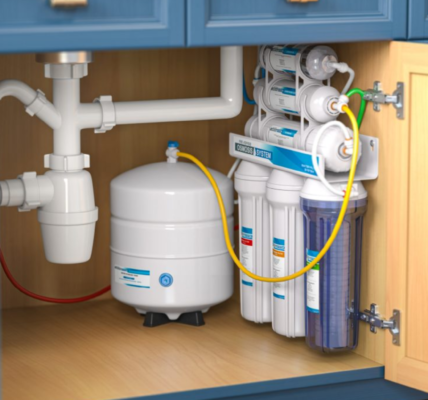
Here’s something people don’t always realize: filtration works best in layers. A sediment filter might catch larger debris first. A carbon filter might handle taste and odor. In more advanced systems, additional stages tackle dissolved solids or specific contaminants.
It’s a bit like cleaning your house. You wouldn’t just mop without sweeping first. Each step supports the next.
This layered approach also helps extend the life of your filters. By removing larger particles early, sediment filtration prevents clogging in downstream components. That means better performance and fewer replacements over time.
Maintenance Isn’t Glamorous, But It’s Essential
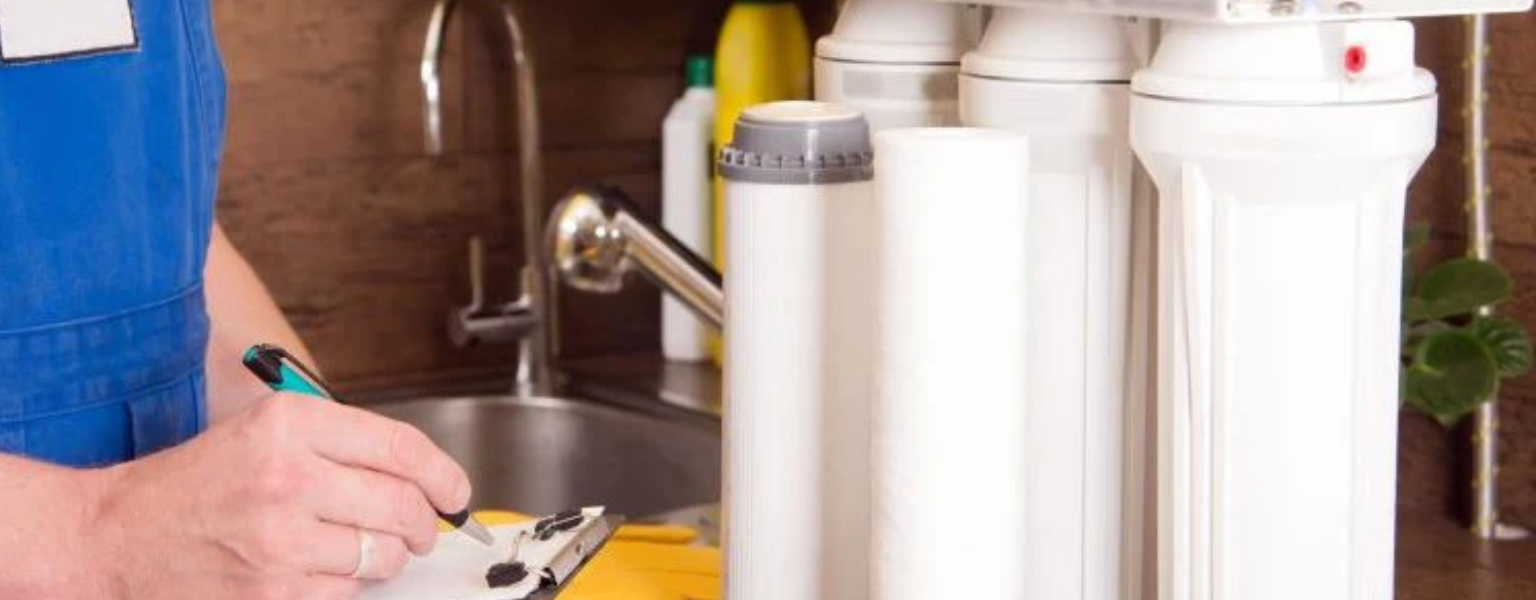
No filter lasts forever. That’s the honest truth. Over time, cartridges fill up. Media degrades. Ignoring replacement schedules can compromise effectiveness.
But maintenance isn’t complicated. Most systems include guidelines for when to swap filters — often every few months, depending on water usage and quality. Some even include reminder systems.
I like to think of it as routine care, similar to replacing air filters in your HVAC system. Not exciting, but absolutely worthwhile.
Choosing What Fits Your Home
Every home is different. Urban apartments connected to municipal systems may have different needs than rural houses relying on well water. Testing your water first can clarify what you’re dealing with.
If sediment is the primary concern, a basic filtration setup might be enough. If taste and odor are more noticeable, adding carbon filtration makes sense. The key is not to overcomplicate things.
Filtration doesn’t have to be an all-or-nothing decision. You can start small and scale up if needed.
A Small Change With Everyday Impact
There’s something deeply practical about improving your water. It doesn’t show off like a remodeled kitchen or new hardwood floors. Guests won’t compliment your filter setup.
But you’ll notice. Every time you fill a glass. Every time your coffee tastes just a bit cleaner. Every time your showerhead sprays evenly without clogging.
Water flows through nearly every moment of daily life. Giving it a bit more attention feels less like an upgrade and more like a quiet investment in comfort and confidence.
And sometimes, the simplest systems — the ones tucked away under sinks or near the main water line — are the ones that make the biggest difference.