
There’s something about a well-ventilated room that just feels… right. You walk in, and the air doesn’t cling to your skin. There’s no stuffy heaviness, no weird smell hanging around like last night’s leftovers. It feels fresh, light — livable. But what happens when the room in question doesn’t have a window?
Maybe it’s a basement. Maybe it’s that inner office at your coworking space. Or maybe it’s your guest room, crammed between two other rooms like a forgotten sandwich in the back of the fridge. Whatever the case, ventilating a space without a window is a common challenge. And it’s not just about comfort — it’s about health, mold prevention, and keeping things breathable.
Let’s dig into this. Not the robotic how-to you’ve seen pasted on every home improvement blog — but a real conversation about what works, what’s worth trying, and how to make the air move when it feels like it’s standing still.
The Invisible Enemy: Stale Air
Before diving into the solutions, let’s pause and think about what’s actually happening in a room with no window. Air isn’t being exchanged. Carbon dioxide builds up. Odors linger. Moisture rises, especially if it’s a basement or an enclosed bathroom. It becomes a breeding ground for mildew, dust mites, and even bacteria. Gross, right?
So, the real goal isn’t just to “get rid of smell” — it’s to create some version of airflow, even if there’s no direct access to the outside world.
Open Doors Are a Start — But Not Enough
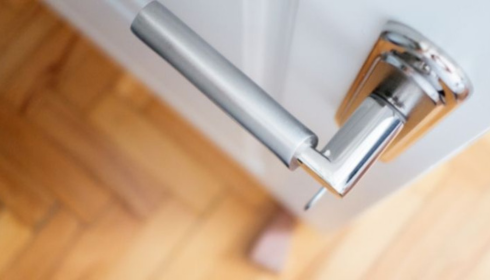
Yes, the simplest thing you can do is open the door. It’s step one. Let the air inside mingle with air from more ventilated parts of your home. But don’t stop there — doors alone can’t create proper circulation.
What you need is movement. That’s the secret ingredient. Air needs to go somewhere, not just sit in the hallway.
Bring In Fans — Strategically
Not just any fan. And not just anywhere.
Position a box fan or oscillating fan at the entrance of the room to push stale air out. Better yet, place a second fan just outside the door, facing inward, to draw fresh air in. This creates a crossflow effect — like a DIY window setup, just without the window.
Ceiling fans, if you’re lucky enough to have one installed, are your best friends. Just make sure it’s spinning counterclockwise — that’s the setting that moves air downward and circulates it better.
Dehumidifiers: Unsung Heroes of Air Quality
People often overlook this one. But humidity is a silent killer of freshness. Moist air feels heavier, smells worse, and can feed mold.
A dehumidifier not only removes excess moisture but also improves overall air quality by making the room less hospitable for allergens. They come in all shapes and sizes now, including compact ones perfect for small spaces.
Trust me — you’ll notice the difference within a day.
Air Purifiers Aren’t Just for Allergy Season
Here’s the thing: cleaning the air doesn’t always mean moving it. Sometimes, it means filtering it.
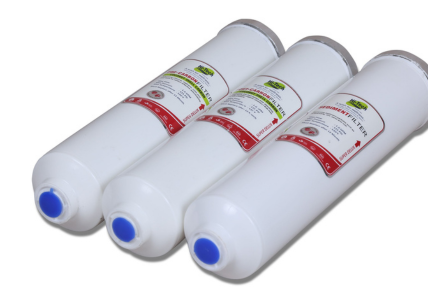
If you’re figuring out how to air out a room without windows, an air purifier with a HEPA filter can help remove dust, bacteria, and odors. No, it won’t give you fresh outdoor air, but it will make what you’ve got a heck of a lot better.
Bonus points if you get one with an activated carbon filter — great for soaking up funky smells.
Use Exhaust Fans — Even Creatively
Okay, so not every room has a built-in exhaust fan. But here’s the trick: portable ones exist. And they work just as well if placed correctly.
Run an exhaust fan in an adjacent room or hallway while you keep the door open. This encourages passive airflow. In a pinch, even a bathroom vent nearby can help if the door is cracked open — pulling stale air out by proxy.
You’d be surprised how effective this indirect method can be.
Harness Nature — Even Without a Window
Plants breathe too, remember?
While they won’t replace a ventilation system, air-purifying plants like snake plants, peace lilies, and spider plants help reduce airborne toxins. They also add a touch of life to an otherwise closed-off space.
It’s a vibe shift. And hey, if you’re spending a lot of time in that room — why not make it greener?
Clean Smells = Clean Feels
Let’s get real. Sometimes a room doesn’t smell bad because it’s unventilated — it smells because it’s dirty. Fabrics, upholstery, rugs, and even walls absorb odors over time.
Vacuum regularly. Wash anything washable. Use natural odor absorbers like baking soda in bowls or activated charcoal bags. These little tricks help maintain a fresher baseline, even when airflow isn’t ideal.
It’s not rocket science. Just maintenance.
Bonus: DIY Airflow With Ducting
If you’re the handy type (or know someone who is), you can actually rig up your own airflow solution using flexible ductwork and inline fans. These are often used in grow rooms or server rooms where traditional ventilation isn’t an option.
This is particularly useful when tackling how to ventilate a basement without windows — an area that often feels like a dungeon of dampness.
It takes a little setup, but once installed, it can run quietly in the background, keeping your basement from turning into a biology experiment.
Air Fresheners? Only If You’ve Done the Work
Look, I get it. It’s tempting to spray some lavender mist or plug in a Glade diffuser and call it a day. But that’s like putting perfume on gym clothes.
Don’t mask bad air. Fix the air. Then make it smell nice.
A Realistic Routine
Ventilating a windowless room isn’t a one-time job. It’s an ongoing relationship.
Set routines: run your fans daily for 15–30 minutes, empty the dehumidifier tank, and let your air purifier work its magic. Check the room after a rainstorm or during seasonal changes when humidity spikes.
Think of it like brushing your teeth — you don’t just do it once and expect fresh breath forever.
Final Thoughts: It’s Not About the Window
In the end, proper airflow is about intention, not architecture.
You can absolutely create a fresher, healthier space with no window in sight — with the right combination of airflow tools, cleaning habits, and a few modern devices. You don’t need to knock down walls or install new windows (though hey, if you can, go for it).
So next time you walk into that stale room, don’t sigh and walk back out. Tackle it. Make it breathe. Because everyone deserves fresh air — windows or not.