

There’s a moment most people don’t talk about. You turn on the tap, maybe early morning, maybe late at night, and something about the water just… feels off. Not dramatically wrong—just enough to make you pause.
It could be the smell. Or the taste. Or even how it looks when it settles in a glass. You try to ignore it at first (we all do), but eventually, curiosity kicks in. And once that happens, it’s hard to go back to not noticing.
The First Clue: When Smell Becomes Impossible to Ignore
Let’s start with something that’s hard to miss.
If you’ve ever turned on your tap and caught a whiff of something unpleasant—something that reminds you of rotten eggs—you know exactly how unsettling it can feel. That unmistakable sulfur & rotten egg smell isn’t just in your head. It’s often caused by hydrogen sulfide gas in the water, and while it’s usually not dangerous at low levels, it can make everyday use… uncomfortable.
Imagine washing your hands or taking a shower and constantly noticing that odor. It changes the experience entirely.
And over time, it becomes more than just an annoyance—it becomes a reason to start asking questions.
Taste Matters More Than We Admit
Now here’s something people don’t always say out loud: water taste matters.
We tend to accept whatever comes out of the tap because it’s “safe,” but that doesn’t mean it’s enjoyable. A common complaint is that sharp, almost chemical-like chlorine taste you sometimes get, especially in municipal water supplies.
It’s there for a reason—chlorine helps disinfect water—but that doesn’t mean you have to love the flavor it leaves behind.
The funny thing is, once you notice it, you can’t unnotice it. Your tea tastes different. Your coffee feels slightly off. Even a simple glass of water becomes something you think twice about.
And that hesitation? It’s a sign your water might need a little attention.
What You See Can Be Just as Telling
Not all water issues hide in taste or smell. Sometimes, they show up right in front of you.
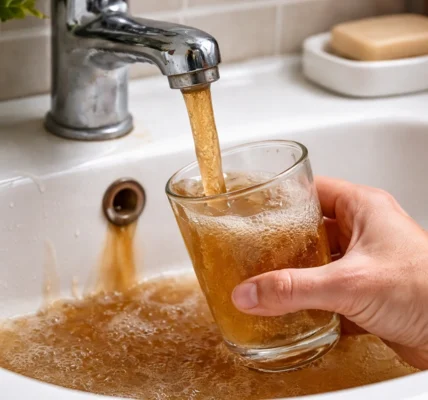
You pour a glass of water and notice tiny particles floating around. Or maybe, after letting it sit for a bit, there’s a faint layer settling at the bottom. That’s sediment visibility, and while it might not always indicate a serious problem, it’s definitely not something you want to ignore.
Sediment can come from various sources—natural minerals, aging pipes, or disturbances in the water supply. It can affect clarity, clog fixtures, and even wear down appliances over time.
And let’s be honest: seeing particles in your drinking water doesn’t inspire confidence.
Why These Small Signs Add Up Over Time
Individually, these issues might seem minor. A smell here, a taste there, a bit of sediment—it’s easy to brush them off.
But together, they create a pattern.
They change how you interact with your water. You might start buying bottled water more often. You might avoid drinking from the tap altogether. Even everyday tasks like cooking or cleaning can feel slightly less enjoyable.
And then there’s the long-term impact. Sediment can damage appliances. Mineral buildup can affect plumbing. What starts as a small inconvenience can quietly turn into a bigger issue.
Understanding Your Water Without Overcomplicating It
The good news? You don’t need to become a water expert to figure things out.
Start with observation. What are you noticing most—smell, taste, appearance? These are your clues. From there, a simple water test can provide clarity.
Not everything requires a complex solution. Sometimes, addressing one key issue can improve multiple aspects of your water.
And once you understand what’s happening, the next steps feel a lot less overwhelming.
Simple Fixes That Make a Noticeable Difference
One of the biggest misconceptions about water improvement is that it’s complicated or expensive. In reality, many solutions are straightforward.
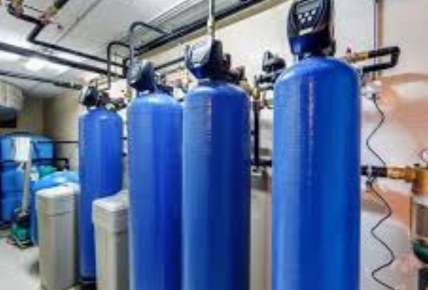
Activated carbon filters can help reduce chlorine taste and odor. Sediment filters can clear up visible particles. Specialized systems can address sulfur smells.
The key is choosing what matches your specific problem—not overloading your home with unnecessary systems.
Because often, a targeted approach works best.
Living With Better Water Feels… Different, in a Good Way
Here’s something interesting: once your water improves, you don’t think about it as much.
At first, you notice the difference. The smell is gone. The taste is cleaner. The water looks clear and inviting. But after a while, it all becomes normal.
You stop second-guessing. You stop hesitating before taking a sip. You just use your water the way it’s meant to be used.
And that shift—subtle as it is—makes a bigger difference than you’d expect.
Maintenance Isn’t the Headache You Think It Is
A lot of people hesitate because they assume water systems are high-maintenance. But most modern setups are designed to be simple.
Filters need replacing occasionally. Systems might need a check now and then. But it’s not overwhelming—it’s manageable.
And once you see the benefits, those small tasks feel worth it.
A Quiet Upgrade That Changes Your Everyday Routine
Improving your water isn’t about dramatic transformations. It’s about removing those small, persistent annoyances that you’ve gotten used to over time.
It’s about turning your tap into something you trust again.
Because when your water smells clean, tastes right, and looks clear, everything else becomes easier. Cooking feels better. Drinking water feels natural. Even simple routines feel smoother.
In the End, It’s About Paying Attention
Water doesn’t demand your attention—but it deserves it.
Those little signs you’ve been noticing? They’re not random. They’re your home’s way of telling you something could be better.
You don’t need to overthink it. You just need to listen, understand, and take a step forward.
Because once your water feels right—fresh, clean, and reliable—it changes your home in quiet but meaningful ways.
And honestly, that’s the kind of upgrade you don’t realize you needed… until you have it.