Designing Bedrooms That Work for Real Life: A Human-Centered Approach to Style and Storage

Bedrooms should feel like a quiet exhale at the end of a long day. A place where you can kick off your shoes, ditch the world, and just be. But too often, bedrooms become catch-all spaces—where clutter collects, mismatched furniture overstays its welcome, and that “one day” design plan stays just that: a plan.
The truth is, designing a great bedroom isn’t about following trends or building something Instagram-perfect. It’s about creating a room that fits your real life—one that balances comfort, style, and function. Something beautiful and livable.
Let’s dive into what actually makes a bedroom feel like home—starting with the stuff most people overlook.
First Things First: Storage That Actually Works
You can’t relax in a space that feels chaotic. And nothing breeds chaos faster than stuff that doesn’t have a place to go. Whether it’s shoes by the door, books piling up on the nightstand, or seasonal clothes that keep sneaking into your everyday drawer—disorganization zaps peace faster than you can say, “Where did I put my charger?”
That’s where functional storage solutions come in. And no, that doesn’t mean giant plastic bins shoved under the bed (though hey, sometimes that works too). It means storage that fits seamlessly into your space and lifestyle. Think beds with built-in drawers, custom closets that work for your habits, nightstands that actually have enough space, and wall-mounted shelves that keep things accessible without feeling cluttered.
The best storage doesn’t announce itself—it just quietly makes your day-to-day easier.
Furniture Isn’t Just Decor—It’s a Daily Companion
Let’s talk furniture. It’s easy to fall into the trap of buying whatever looks nice or is on sale, only to realize later it doesn’t quite fit—literally or stylistically. The dresser might stick out too far, the bed frame creaks every time you roll over, and the side tables? Totally useless.
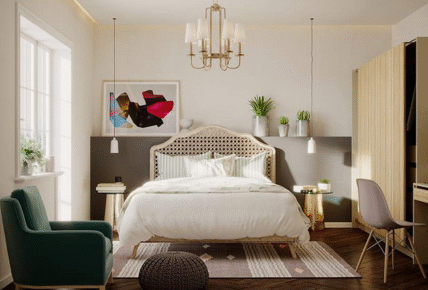
That’s why furniture selection is less about matching sets and more about choosing pieces that work together to serve you. That small bench at the foot of the bed might seem like a luxury, until you realize how much you use it every day. A chair in the corner can turn into your favorite morning coffee spot. And yes, your mattress does deserve more attention than your throw pillows—because good sleep beats good aesthetics every time.
Choose furniture that matches your rhythms. Your needs. Your taste. It’s the backbone of how the room functions, and how it feels.
Style Is Personal—So Make It Yours
The internet is filled with bedroom inspiration—Scandinavian, mid-century, farmhouse, Japandi, boho-chic… but when it comes to your bedroom? Trends should take a back seat to truth.
This is where tailored bedroom design really shines. It’s not about designing to impress—it’s about designing to express. What colors calm you down? What materials feel comforting? Do you need blackout shades or do you love waking up with the sun?
A tailored approach means thinking about how you live in your space. Maybe you need a small desk tucked in for late-night journaling. Maybe your partner needs more storage and you’re fine with less. Maybe you both read before bed and want built-in lighting that won’t disturb the other. The goal isn’t to fit into a style—it’s to make your space fit you.
When every choice supports your lifestyle, the room starts feeling less like something you just sleep in—and more like a part of you.
Don’t Forget the Flow
You know that feeling when something just… works? That’s flow. And in a bedroom, flow is often the unsung hero of design. It’s the space between furniture. The path from bed to closet. The way light moves through the room. The ability to move easily without bumping into things or feeling cramped.
If you’ve ever had to shuffle sideways to get to your dresser, or had a closet door that bangs into the bed frame every morning, you know exactly what bad flow feels like.
A few inches here, a different layout there—it all adds up. It’s not about maximizing space. It’s about maximizing ease.
Layers Make It Lived-In
A bedroom isn’t finished when the furniture’s in place. It’s finished when it feels lived in. That’s where layering comes in: rugs, lighting, art, throws, books, scent, sound.
A soft rug underfoot. A textured throw at the foot of the bed. Warm bulbs in the lamps. A diffuser that smells like lavender and home. These small touches don’t cost much, but they have a big emotional return.
You’re not creating a showroom. You’re creating a sanctuary. Let it feel like one.
Final Thoughts: You Don’t Have to Do It All at Once
Here’s a little reminder if you’re feeling overwhelmed: your bedroom doesn’t need to be “done” in a weekend. Or even in a month. Sometimes the best spaces come together slowly, as you live in them and learn what works.