
Let’s face it—no one really thinks about their water heater until it stops doing its one job: giving us hot water. It’s like a background character in the movie of our home—until the day it decides to steal the spotlight… with a cold shower. But just like most things in life, a little attention goes a long way. If you’re wondering how to keep your water heater running smoothly—or at least not angrily gurgling in the middle of the night—this is for you.
We’re not diving into jargon or manuals here. This is a laid-back, human-to-human conversation about what your water heater needs from you to stay sane. And spoiler: it’s not much. Just a little awareness, some timely checks, and knowing when to call in the pros.
The “Silent Treatment” Could Be a Cry for Help
If your hot water isn’t as hot—or lasts just long enough to disappoint—you’re not imagining it. That might be your water heater’s way of hinting, “Hey, I need a little love here.” Often, it starts with small signs: longer wait times for warm water, lukewarm baths, or mysterious rumbling sounds.
And while your instinct might be to turn up the temperature (guilty here), sometimes the fix is simpler and safer.
Why Thermostats Aren’t Just for Your Wall
Think of your water heater’s thermostat like its mood manager. If it’s set too low, the water’s never quite satisfying. Set too high, and you’re flirting with scalding temperatures and an overworked system. Most experts recommend keeping it at 120°F—warm enough to keep things hygienic, cool enough to avoid burns, and just right for energy efficiency.
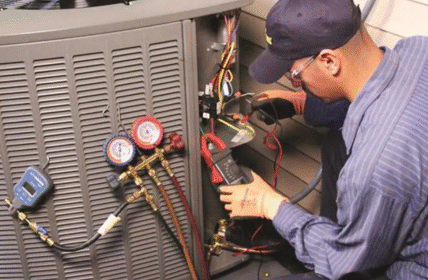
But here’s where it gets interesting. If you’ve adjusted it and you’re still taking semi-cold showers, you might be due for a thermostat replacement. Over time, these little devices wear out or misread temperatures, leaving you puzzled and shivering.
Replacing a thermostat isn’t the DIY horror story it sounds like, but unless you’re comfortable around electrical panels and wires, it’s worth calling someone who knows their way around a toolbox. Trust me, your water heater (and fingers) will thank you.
Let’s Talk Sediment. Yes, It’s a Thing.
Over time, minerals from your water settle at the bottom of your tank. Not glamorous, but it happens to everyone—especially if you live in an area with hard water. That sediment acts like a thermal blanket between the burner and your water, making your heater work harder. More energy, more stress, less efficiency.
Eventually, this leads to popping noises, uneven heating, and yep—higher utility bills. That’s where sediment build-up inspection comes in.
This isn’t just some upsell your plumber is throwing at you. It’s actually a smart move. A good inspection (and occasional flush) can add years to your heater’s life. It’s like going to the dentist for a cleaning—except instead of plaque, it’s calcium and magnesium buildup messing with your heater’s smile.
Drip. Drip. Silence. Uh-oh.
A small puddle under your heater might not look dramatic, but it’s rarely a good sign. Sometimes it’s just condensation, but sometimes it’s a slow leak gearing up for a big reveal. Ignoring it could mean a flooded floor, water damage, or even mold.
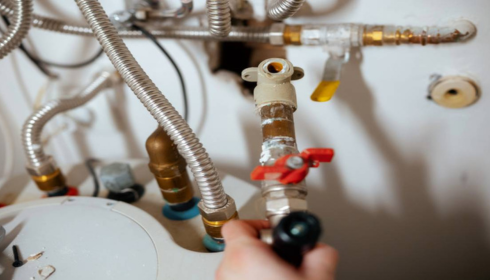
That’s why leak detection should be part of your maintenance vocabulary. Catching a leak early can be the difference between a quick seal-up and a full-on heater replacement. Professionals use moisture sensors, infrared cameras, and other wizardry to find out if that drip is innocent—or plotting a watery mutiny.
And if you’re the DIY type? Keep an eye on the pressure relief valve, drain valve, and any rust or corrosion on the tank itself. Think of it like checking your tires before a road trip. Peace of mind is everything.
A Few Other Unsung Heroes of Maintenance
Aside from the big three (thermostats, sediment, and leaks), there are a few other areas worth glancing at every now and then:
- Anode Rod Check: This sacrificial rod attracts corrosion so your tank doesn’t have to. If it’s corroded away, your tank is next in line.
- Insulation Jackets: Like a cozy sweater for your heater—great in winter and for reducing energy bills.
- Pilot Light (for gas models): If it’s out, no heat. If it’s flickering or yellow, you might have a ventilation issue.
Again, nothing scary. But small checks like these can really extend your unit’s lifespan and performance.
When to Call in the Pros
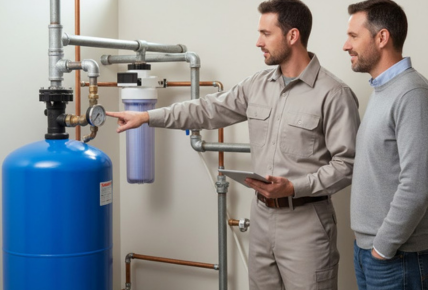
It’s tempting to assume all heater troubles can be fixed with a quick YouTube search. And sometimes, sure, you can tighten a valve or flush some sediment yourself. But when it comes to wiring, gas lines, or consistent performance issues—get help.
Not just for safety reasons (though that’s a big one), but because time is money. Spending an entire weekend troubleshooting might not be worth the headache. A professional can often diagnose and fix the issue in a fraction of the time, leaving you with hot water and peace of mind.
Final Thoughts: Don’t Wait for the Cold Shower
We’ve all done it—waited until something breaks to finally deal with it. But your water heater isn’t just some behind-the-scenes appliance. It’s a daily-use machine with a limited lifespan and a few clear cries for help.
Listen to it. Check it. Schedule inspections now and then. Replace the thermostat if your water’s playing games. Get sediment flushed if you haven’t in years. And if something smells funny (or looks suspiciously wet), don’t ignore it.
Because trust me—nothing ruins a winter morning quite like a cold surprise in the shower.